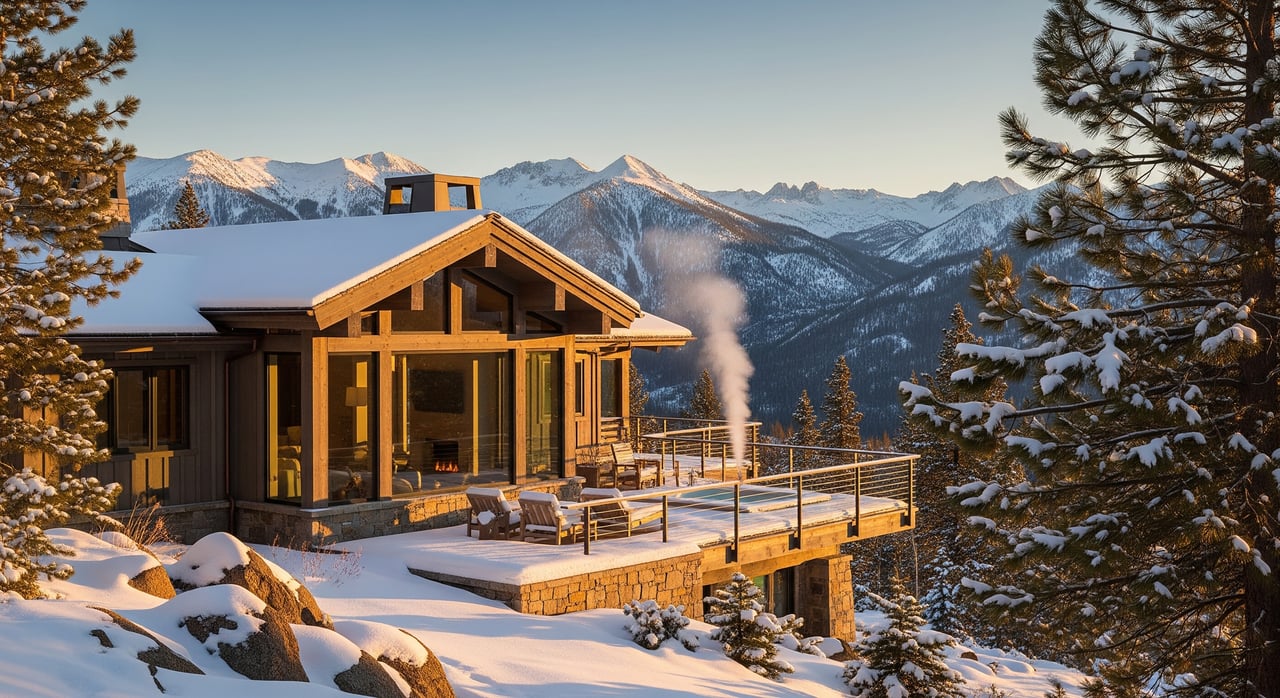
Inside the Alpine Meadows Ski Home Lifestyle
February 5, 2026
February 5, 2026
Ever wonder what daily life looks like when your street sits beneath a ski ridge and summers tilt toward trailheads and lake days? If you’re eyeing Alpine Meadows, you’re likely balancing the pull of mountain recreation with the realities of owning in a compact, high-snow community. This guide gives you a clear, on-the-ground sense of the rhythms, responsibilities, and rewards of owning a home here. You’ll learn what to expect across seasons, how homes are built for the climate, and the practical checks to make before you buy. Let’s dive in.
Alpine Meadows sits in Placer County on Tahoe’s North Shore, tucked close to the Alpine Meadows ski area and minutes from Lake Tahoe recreation. The community is small and mountain-focused, with homes clustered along narrow, sloped roads. Many owners are second-home users, so the population swells in winter and summer and quiets in shoulder seasons.
You’ll find a close, outdoors-oriented vibe among year-round residents. Social life often centers on the slopes in winter and the trail and lake network in summer. Because local services are limited, you’ll drive to Tahoe City, Kings Beach, or Truckee for full grocery runs, professional services, and most errands.
Winter shapes your routine. When storms roll in, you plan around snow removal, roof load checks, and chain or winter-tire travel. During big cycles, mobility can be limited until roads are cleared. If you’re an early skier, mornings can start with shoveling and plowing, then first chair at the mountain.
Beyond downhill skiing, you can snowshoe or cross-country ski on nearby trails. Many owners build their winter rhythm around the ski area, local lodges, and at-home gatherings as weather allows.
Summer brings long trail days, mountain biking, running, fishing, and quick trips to Tahoe beaches. The dry season invites more outdoor entertaining and time on decks and patios. You also shift into maintenance mode: yard cleanups, defensible-space work, and preparing for intermittent smoke events during wildfire season.
Shoulder seasons are quiet and often ideal for projects, vendor scheduling, and enjoying uncrowded trails.
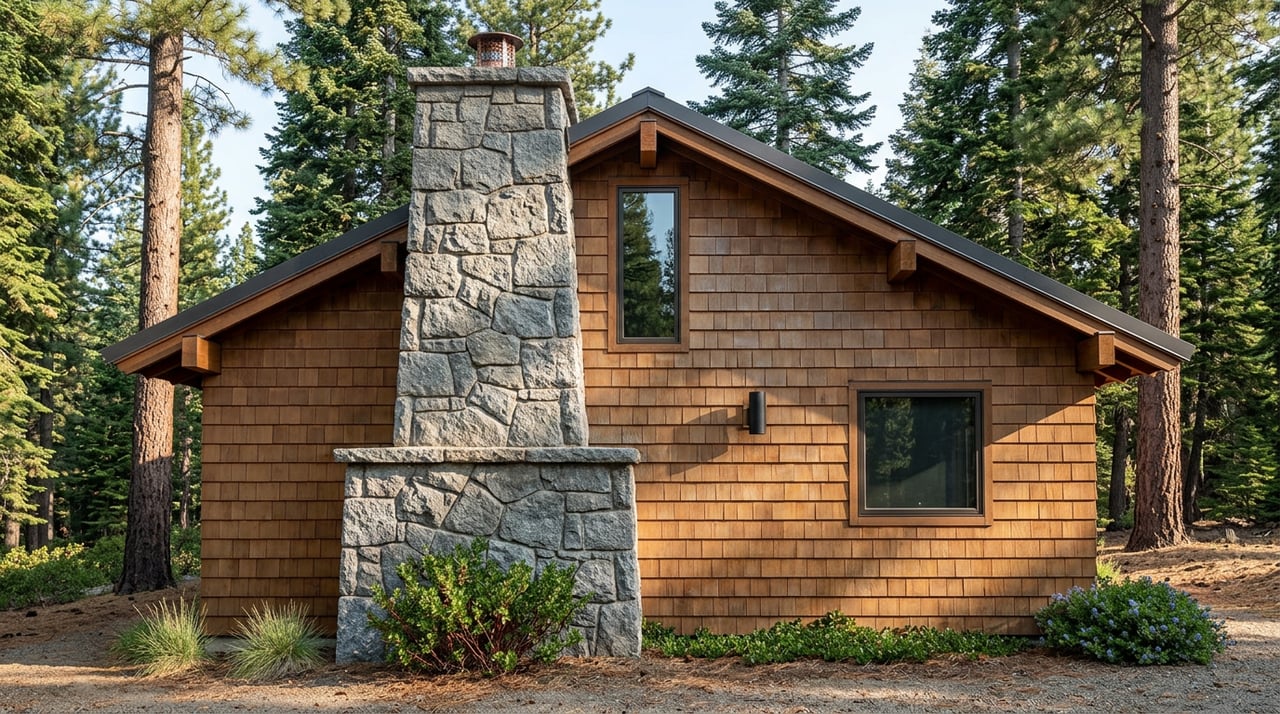
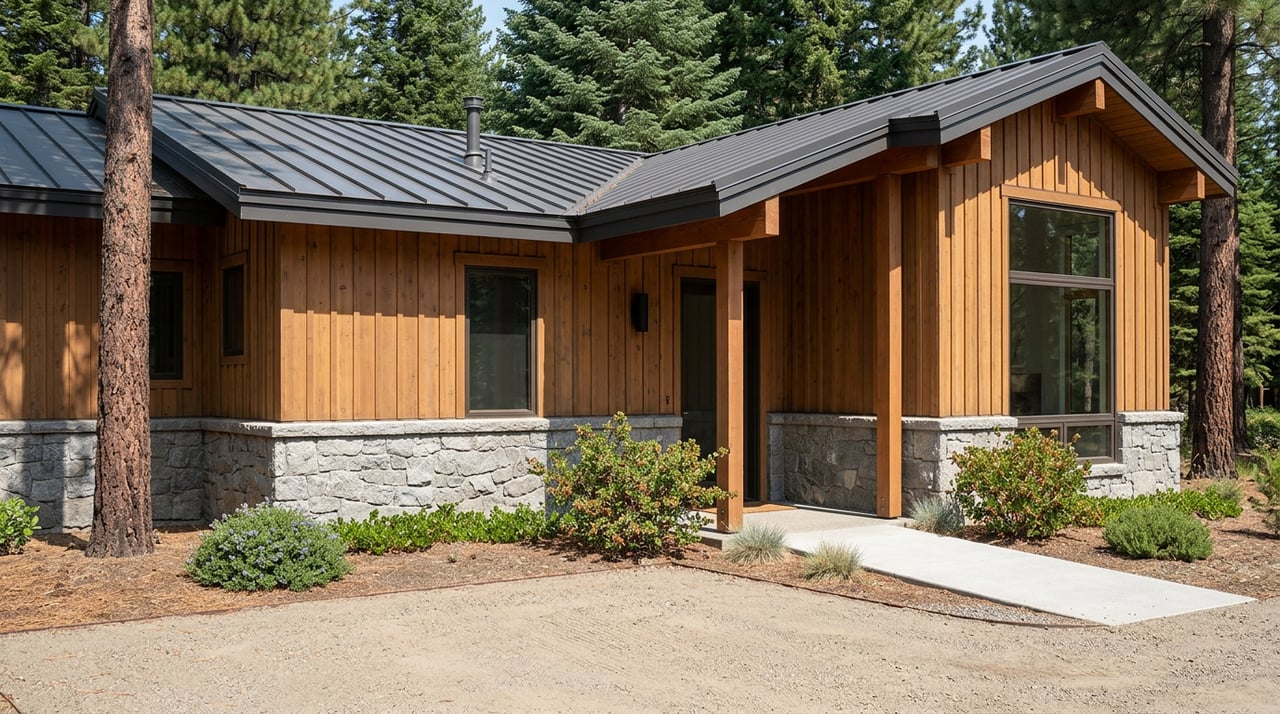
Most properties are single-family cabins and chalets, often wood-frame and multi-level to fit the slope. You’ll also see condominiums and small townhome clusters near key road junctions or close to resort nodes. Custom homes on larger parcels exist on upslope or ridge lots, but are less common.
Properties with very close ski access or strong mountain views typically carry a premium. Lots are frequently smaller and sloped, which affects parking, snow storage, and how homes shed snow and manage drainage.
Mountain homes here are built and maintained for snow. Roofs need to shed and carry significant snow loads. Plumbing should be winterized and protected from freezing during periods of vacancy. Ventilation matters too, especially when homes sit empty for stretches.
Driveways can be steep and narrow, so review grade, turnaround space, and where plowed snow will go. Many owners contract plowing rather than managing it themselves. On-street parking can be restricted in heavy snow, so private parking and snow storage are key.
Electricity is typically provided by a regional utility serving Sierra Nevada communities. Some homes connect to public water and sewer, while many rely on septic systems. Verify each property’s setup and maintenance records during due diligence.
Cell coverage can be spotty in pockets, and wired broadband varies. Many owners rely on satellite or fixed wireless where cable or fiber is limited. Test service at the property if you plan to work remotely. Trash pickup schedules can be reduced in winter, and mail may be at roadside boxes or community points.
Access runs along mountain roads that connect to Tahoe’s North Shore and Truckee. In winter, expect chain controls, traction requirements, and periodic delays. Seasonal shuttles sometimes serve resort operations, but most owners depend on private vehicles.
If you commute, plan your routine around storm timing and road advisories. Keep winter supplies in your vehicle and consider a generator for outages.
The nearest full-service hospital and emergency care is typically in Truckee. Fire protection is provided by local districts. Wildfire response can be affected by terrain and conditions, so defensible-space rules apply. Regional search-and-rescue exists, but weather often drives response times.
Hazard planning is part of ownership. Be aware of heavy snow, potential avalanche exposure for certain slopes, localized flooding from snowmelt, and wildfire risk. Map your evacuation routes and ask about local road-closure patterns.
Rental potential is strong in peak seasons, but it is governed by Placer County ordinances and HOA rules where applicable. Regulations evolve, and permit programs may apply. Always verify current rules and permit requirements before assuming rental income in your financial plan.
Beyond your mortgage and taxes, expect costs tied to the mountain setting:
Getting early insurance quotes and reviewing HOA budgets can help you refine your total cost of ownership.
Placer County oversees planning and building permits, and projects in the Tahoe Basin can also fall under Tahoe Regional Planning Agency standards. Setbacks, impervious coverage, tree work, and septic permits are common review items. Always confirm the property’s zoning, any prior permits, and whether additions or remodels were done with approvals.
Inventory in prime locations, especially near lifts or with standout views, is often tight. The buyer pool includes many out-of-area second-home shoppers, so demand can follow seasonal cycles. Premium features like true ski access, strong views, or unique privacy can influence pricing and time on market.
If you are considering resale horizons, look closely at access, driveway conditions, and rental flexibility. These details often matter to the next buyer.
Use this list to frame your due diligence:
If you crave a true mountain rhythm, Alpine Meadows offers a rare blend of ski-day convenience and summer access to trails and Tahoe. Daily life is shaped by weather, but the payoff is a tight connection to the outdoors and a community that values it. With smart planning and the right property match, owning here can deliver the retreat you envision.
If you want local guidance tailored to your goals, concierge-level support, and clear steps from search through close, connect with Jeremy Jacobson.
Stay up to date on the latest real estate trends.
Etiam non quam lacus suspendisse faucibus interdum. Orci ac auctor augue mauris augue neque. Bibendum at varius vel pharetra. Viverra orci sagittis eu volutpat.