Northstar Condos vs Townhomes: Choosing Your Best Option
February 19, 2026
February 19, 2026
Are you torn between a Northstar Village condo and a townhome nearby? You are not alone. Each option offers a different mix of slope access, space, services, and ownership costs. In this guide, you will learn how they compare, what HOAs typically cover, how parking and resort logistics work, and what to check if you plan to rent short term. Let’s dive in.
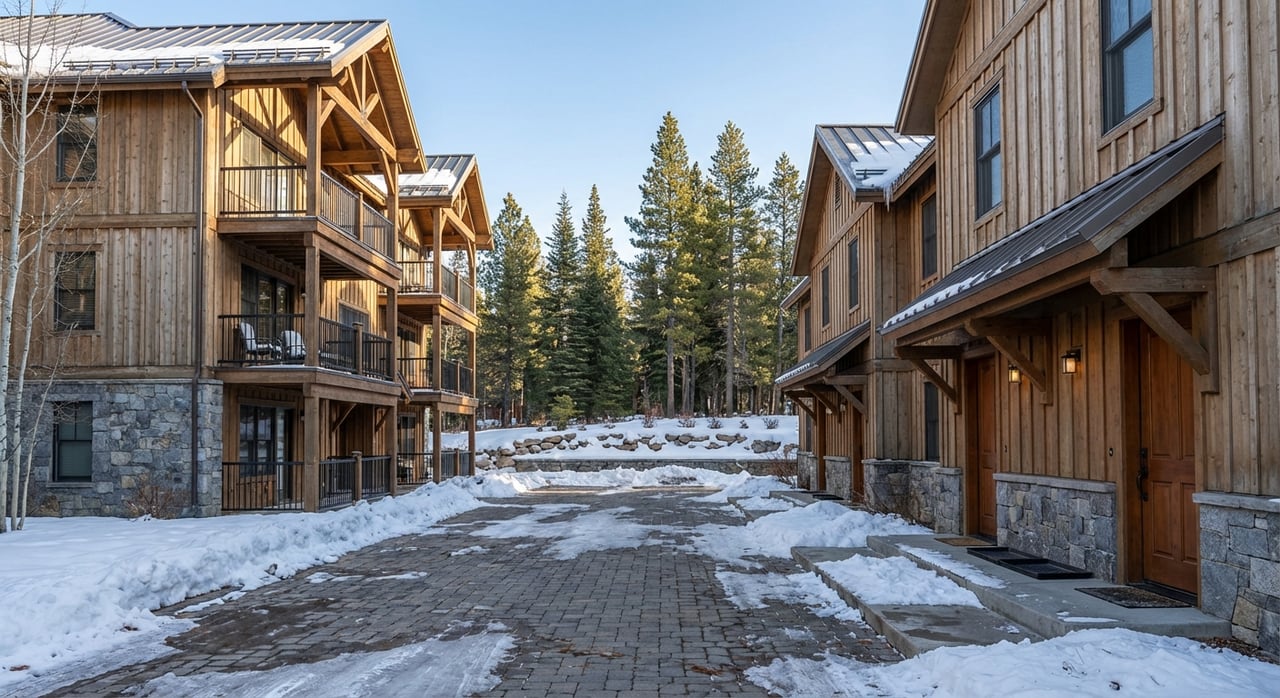
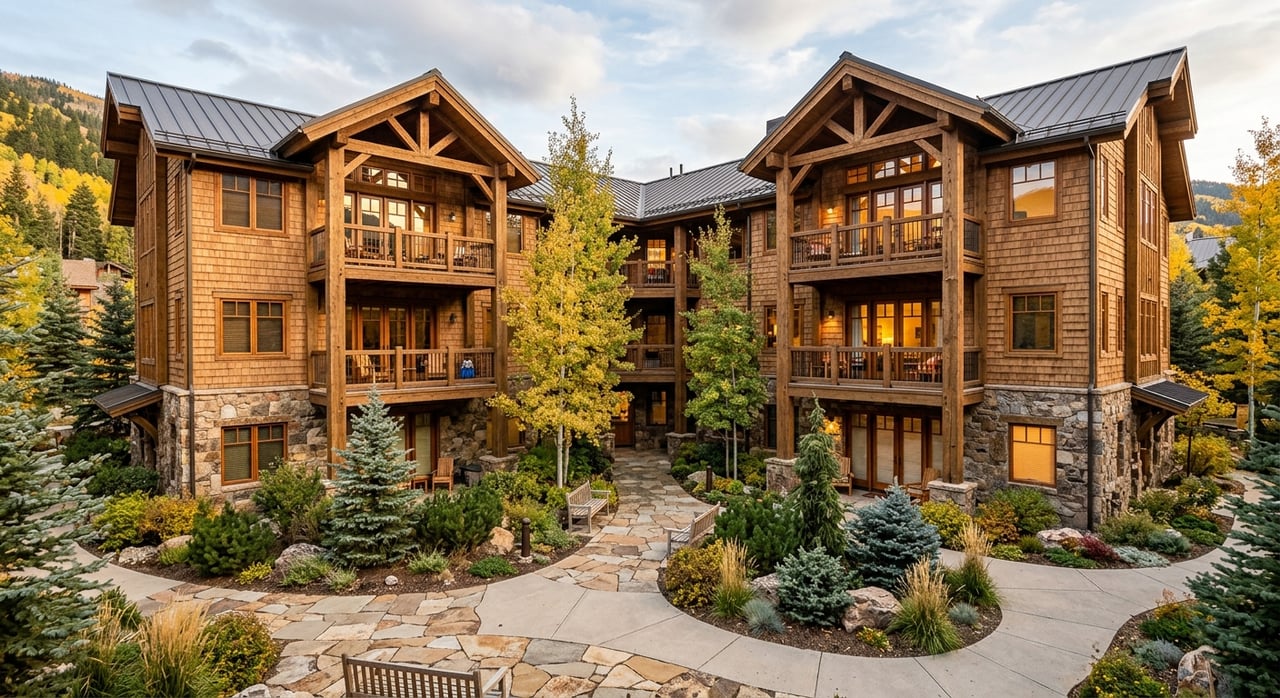
The compact Northstar Village is the resort core with gondola access, dining, and events. Most buildings here are condo-style residences that offer a very short walk to lifts and amenities. You can see how lodging clusters around the Village on the resort’s overview of Northstar lodging and Village access.
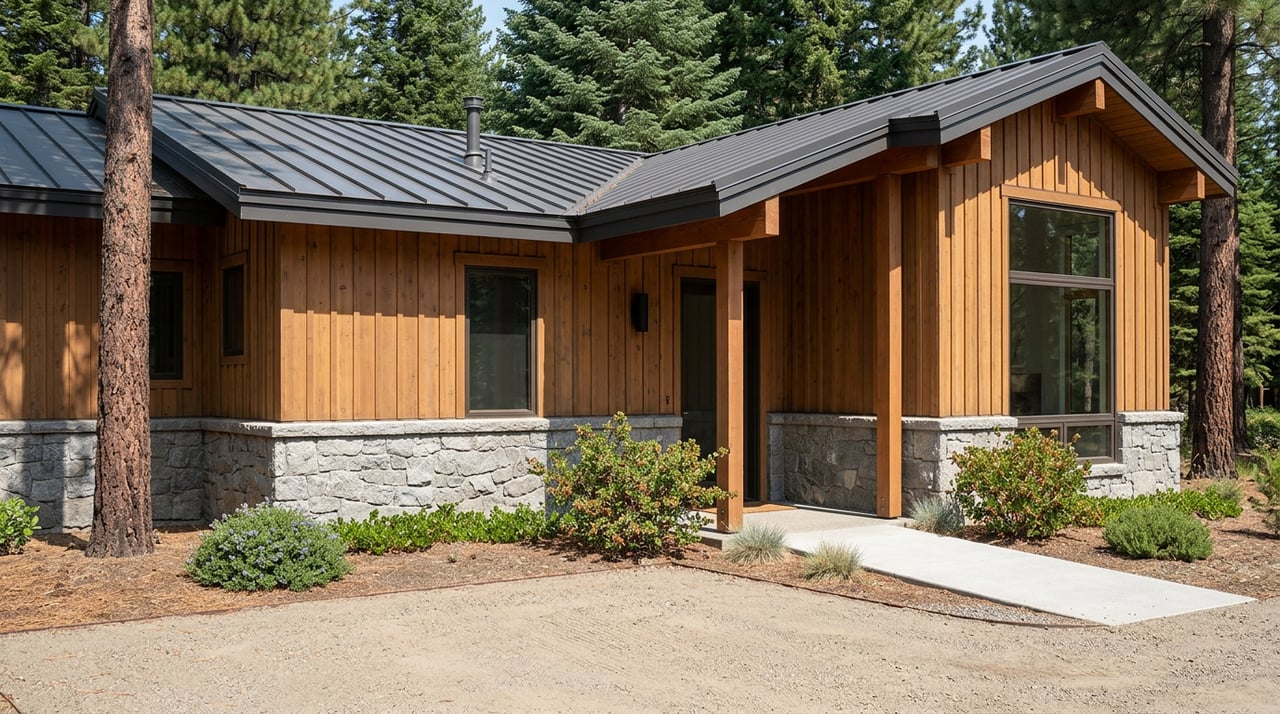
Outside the Village, you will find townhome-style and attached homes across Northstar neighborhoods. These often feel more house-like, with private entries and more interior space. Many areas are walkable to the Village or served by shuttle, but expect a longer door-to-lift time than a true Village condo.
In California, “townhome” usually describes architecture, not legal ownership. The Davis-Stirling Common Interest Development Act governs how condominiums and planned developments operate. What matters is the recorded ownership form and CC&Rs, which define maintenance duties, insurance, and assessments. Before you buy, confirm the legal structure and rules in the recorded documents. Learn more about the framework in the Davis-Stirling overview.
Village condo HOAs commonly include exterior structure and roof, building systems, common-area snow removal, and shared facilities like pools or hot tubs. Many also cover some utilities such as water, trash, or heat, and manage garage parking. These inclusions are a big part of the lock-and-leave appeal.
Townhome and attached single-family associations vary. Some cover exterior maintenance and snow removal in a planned development. Others leave more to owners, such as driveways, small yards, or decks. Deck and balcony inspection requirements in California can add duties or costs for some associations. Review the CC&Rs and recent HOA minutes, and use the Davis-Stirling guide as a reference. For policy context on recent HOA law updates and inspection regimes, see this California HOA law summary.
If you want “door-to-gondola” convenience, Village condos generally deliver the fastest access to lifts, restaurants, and events. Properties in surrounding neighborhoods can be a 5 to 20 minute walk depending on conditions, or a quick shuttle ride. The resort’s lodging overview helps you visualize how close specific buildings sit to the gondola.
Northstar uses active parking management, especially on peak days. Some Village residences include assigned spaces in heated garages, while others rely on shuttles or surface lots with reservations. Before you buy, confirm how many spaces are deeded, guest parking rules, and any fees. For winter logistics and policy updates, review local guidance on parking requirements and getting around.
Village HOAs often include shared pools, hot tubs, fitness centers, and on-site management or concierge-style services. That convenience adds value, and it also raises dues. Non-Village townhomes may use off-site recreation facilities and usually have fewer services included.
Northstar Village properties often sell at a premium per square foot due to location and amenities. A 2024 local market snapshot cited a Village-at-Northstar median around 1.35 million and a broader Northstar-community median near 1.75 million for that year’s sample. Medians shift with inventory and seasonality, so check current comps when you are ready to write an offer.
Real-world examples show a broad spread. Recent Village condo listings have shown dues in the hundreds per month, with many utilities included. Some larger townhome communities report quarterly assessments in the multiple thousands, reflecting exterior maintenance scope and reserves. These are illustrative examples only. Always verify current dues, what they include, and whether special assessments are planned.
Insurance and wildfire exposure are major cost drivers in the Tahoe region. Associations are also navigating inspection and reserve requirements related to exterior elements like balconies and decks. Stay current with policy shifts using this California HOA law update, and review each HOA’s reserve study and recent minutes.
Most Northstar properties fall under unincorporated Placer County’s Short-Term Rental program. If you plan to rent nightly, you must confirm permit eligibility, complete required fire and defensible-space inspections, and meet operating standards. Start with the county’s Short-Term Rental Program.
Some condo-hotel properties follow a different application path. Program caps, fees, and inspection requirements can affect investor expectations, so verify a specific unit’s status directly with the county before assuming rental income. Details are outlined in the Short-Term Rental Program.
Operators must register for Placer County Transient Occupancy Tax and post the certificate in the property. Even if a platform collects taxes, you remain responsible for compliance. Review the steps on the county’s TOT registration page.
Use this checklist to focus your search:
Choose a Village condo if you value walk-to-gondola access, on-site amenities, a ski locker, and a true lock-and-leave setup. Expect higher dues that often include more services, and a premium per square foot for the location.
Choose a townhome if you want more square footage, multi-level living, a private entrance, and outdoor space. Expect more variability in HOA scope and responsibilities, and plan for a slightly longer gear routine to reach the lifts.
If you are still comparing options, a short consult can save you time. You will get current comps, HOA document insights, and a shortlist matched to your goals.
Ready to refine your plan or see on- and off-Village options side by side? Let’s connect through Jeremy Jacobson to design a search that fits how you want to live in Northstar.
Stay up to date on the latest real estate trends.
Etiam non quam lacus suspendisse faucibus interdum. Orci ac auctor augue mauris augue neque. Bibendum at varius vel pharetra. Viverra orci sagittis eu volutpat.