How to List Your North Shore Lake Tahoe Home Confidently
May 14, 2026
May 14, 2026
If you are thinking about listing your North Shore Lake Tahoe home, the biggest mistake is waiting until the sign is up to start preparing. Buyers usually see your property online first, and those first photos can shape whether they book a showing or keep scrolling. A smart pre-listing plan helps your home show better, answers buyer questions faster, and reduces avoidable stress once the property hits the market. Let’s dive in.
In 2025, many buyers still found the home they purchased online, and listing photos, detailed property information, floor plans, and virtual tours remained some of the most useful features during the search process. That matters in North Shore Lake Tahoe, where many buyers are second-home shoppers or remote buyers making early decisions from a distance. Your home needs to feel clear, inviting, and easy to understand before anyone steps through the door.
Recent buyer behavior also points to strong interest in energy-efficient upgrades, flexible office or guest rooms, smart-home features, and usable outdoor areas. If your home offers any of these, your pre-listing prep should make them visible and easy to explain. The goal is not to overdo it. It is to help buyers quickly understand how the home lives.
The first two weeks of preparation usually shape everything that follows. This is the time to handle visible maintenance, gather documents, and line up vendors so the home is ready before photography. If you wait until the property is already live, you risk rushed decisions and weaker first impressions.
A strong first-two-weeks checklist often includes:
For remote owners, this early window is especially important. It gives you time to coordinate work in the right order and avoid piecemeal updates after the listing launches.
In the Placer County portion of North Shore Lake Tahoe, wildfire readiness is not just a seasonal concern. It is also part of how your property presents to buyers. Placer County says defensible space, together with home hardening, is essential to improve a home’s chance of surviving wildfire, and county ordinance requires 100 feet of defensible space around homes.
The county breaks that area into three zones:
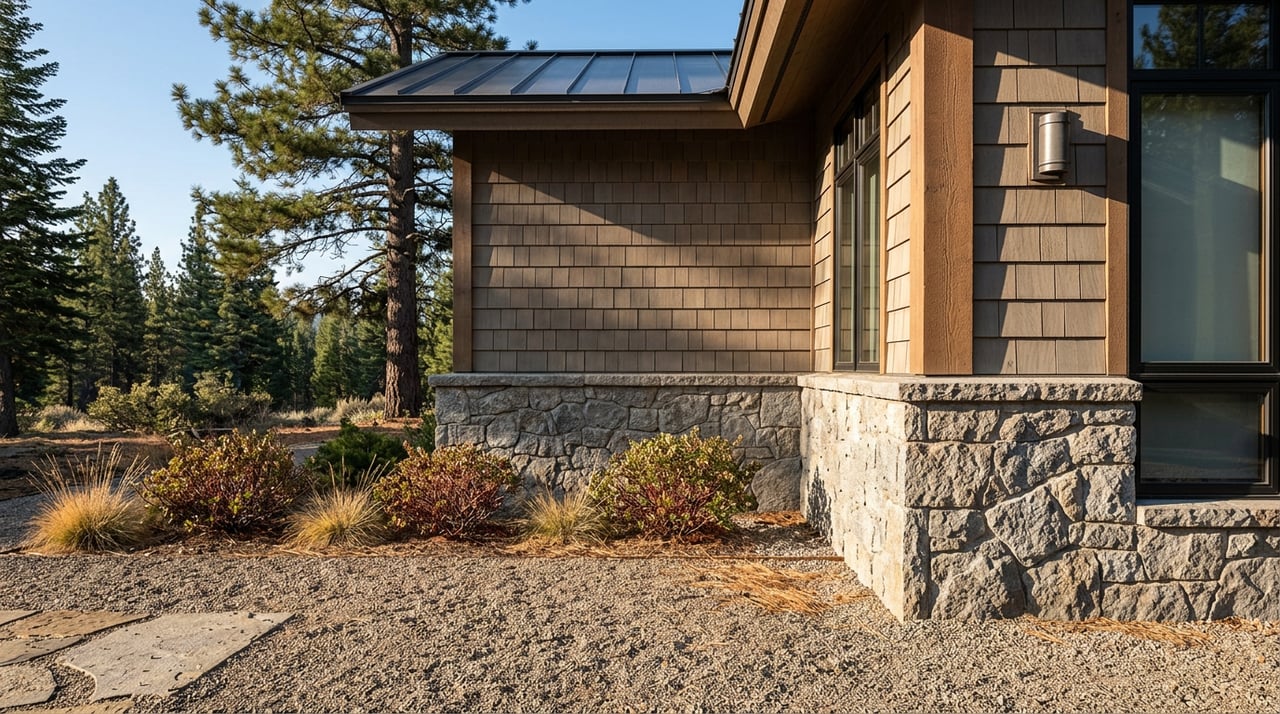
Before listing, practical tasks can include clearing dead vegetation and debris from roofs, gutters, decks, porches, and stairways. It can also mean moving firewood and other combustible items away from the home, using noncombustible ground cover near the structure, and separating fuels farther out on the lot. These steps support both safety and presentation, especially in listing photos where overgrowth and debris can make a property feel neglected.
Placer County also notes that winter is the best time for vegetation removal when humidity and rain are higher, while spring is the time to remove drying vegetation before it becomes too dry. If you are planning to sell during peak mountain-market months, getting ahead of this work can make the process much smoother.
If your property is in a Very High Fire Hazard Severity Zone, there is another reason to prepare early. Placer County says homeowners in these areas must meet stricter defensible-space and home-hardening requirements, and sellers must disclose Fire Hazard Severity Zone designations during a real estate transaction.
That means it is wise to address obvious fuel issues before the home goes live. It also helps to have hazard-zone paperwork organized early, so you are not scrambling to locate documents after a buyer asks questions. When you can present a home as both well-maintained and well-documented, buyers often feel more confident moving forward.
North Shore properties often have features that need closer review before going to market, especially near the lake. If your home is lakefront or includes shoreline structures, Tahoe Regional Planning Agency rules may apply. TRPA says many activities in the Lake Tahoe Region require both a TRPA environmental review permit and a separate county or city building permit.
Before listing, it is smart to confirm whether past work was properly permitted and to keep approvals in your disclosure file. This can be especially important for items such as:
If a buyer is considering a premium lakefront or legacy property, documentation matters. Having permit records ready can help support a smoother review process and avoid delays once the home is under contract.
One of the easiest ways to lose momentum is to schedule work out of sequence. The best time to coordinate landscaping, chimney service, roof cleaning, window washing, snow-removal planning, and small repairs is before photography, not after the listing is already attracting attention online.
A simple order of operations often works best:
This kind of sequencing is valuable for any seller, but it is especially helpful for absentee owners who need a trusted local process. When the work is managed upfront, your listing enters the market looking polished and complete.
Staging does not have to mean a full redesign. It means helping buyers picture themselves in the home. According to recent staging research, 83% of buyers’ agents said staging made it easier for buyers to visualize a property, and the rooms most often staged were the living room, primary bedroom, and dining room.
For North Shore Lake Tahoe homes, the best approach is usually clean, lightly furnished, and neutral. You want rooms to feel bright, open, and calm without stripping away the character that makes mountain and lake homes appealing. Thoughtful staging can also help large or multifunctional rooms read more clearly in photos.
If you are deciding where to spend time and budget first, start with:
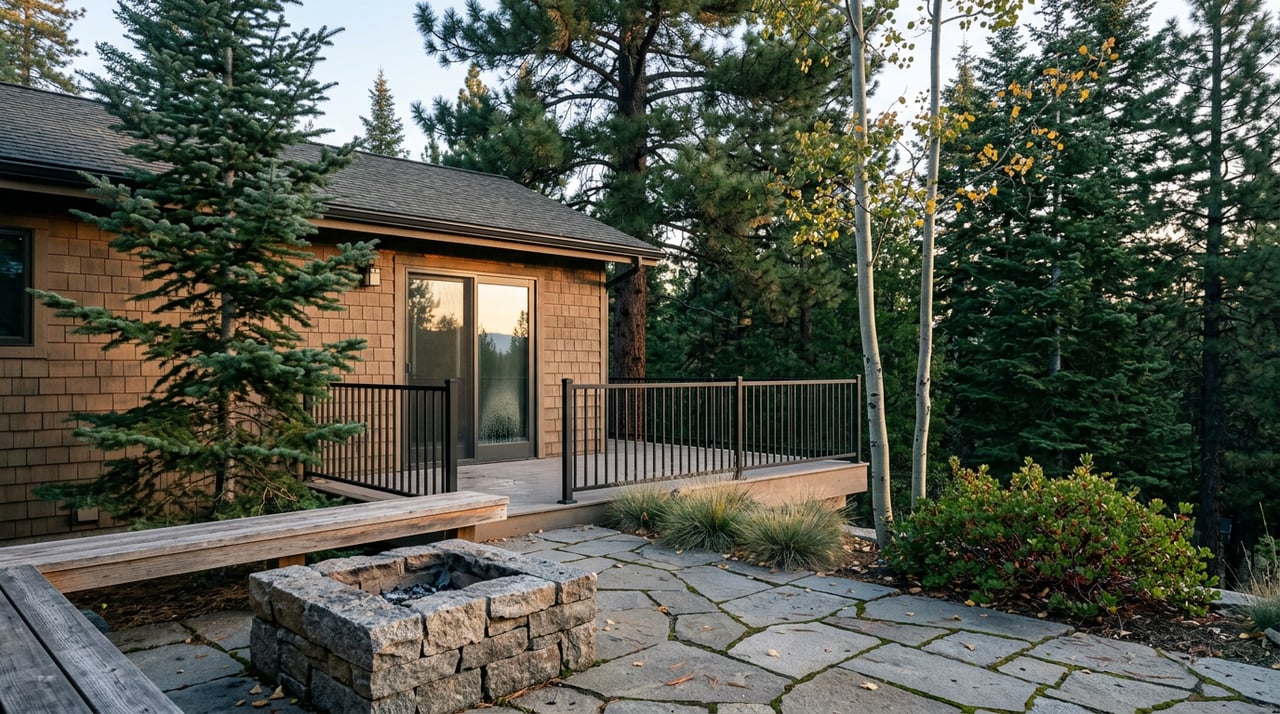
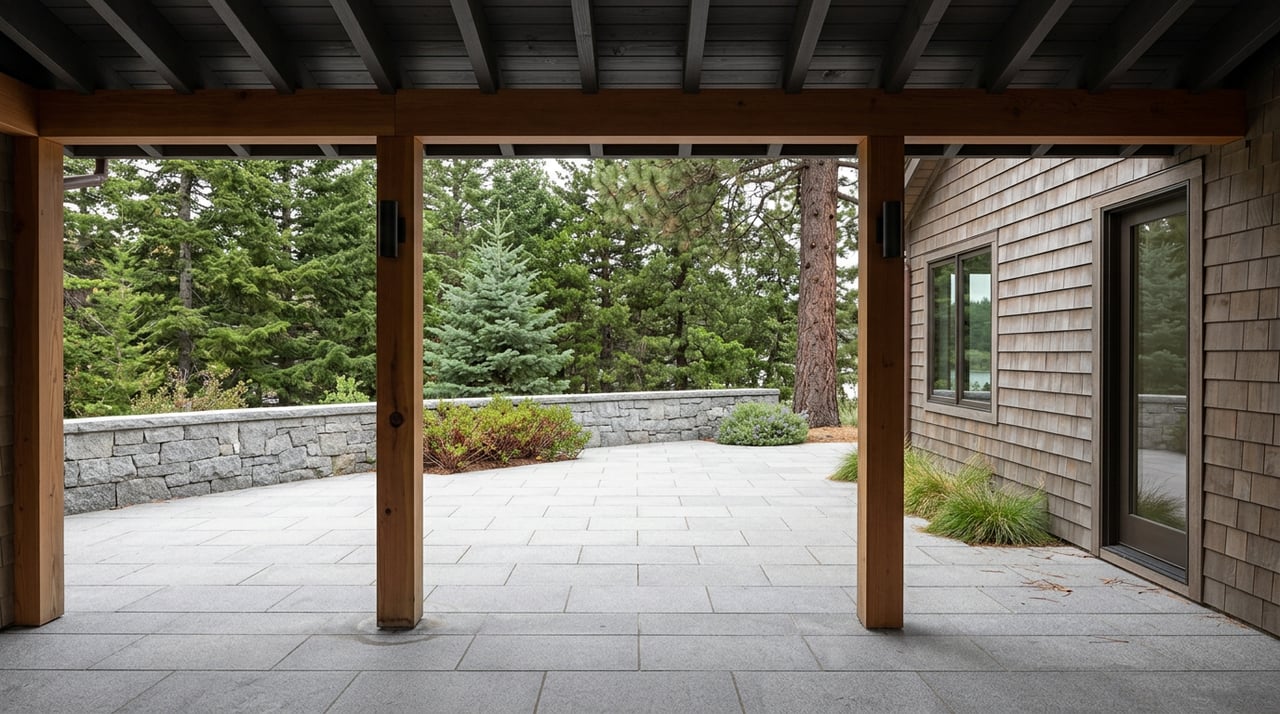
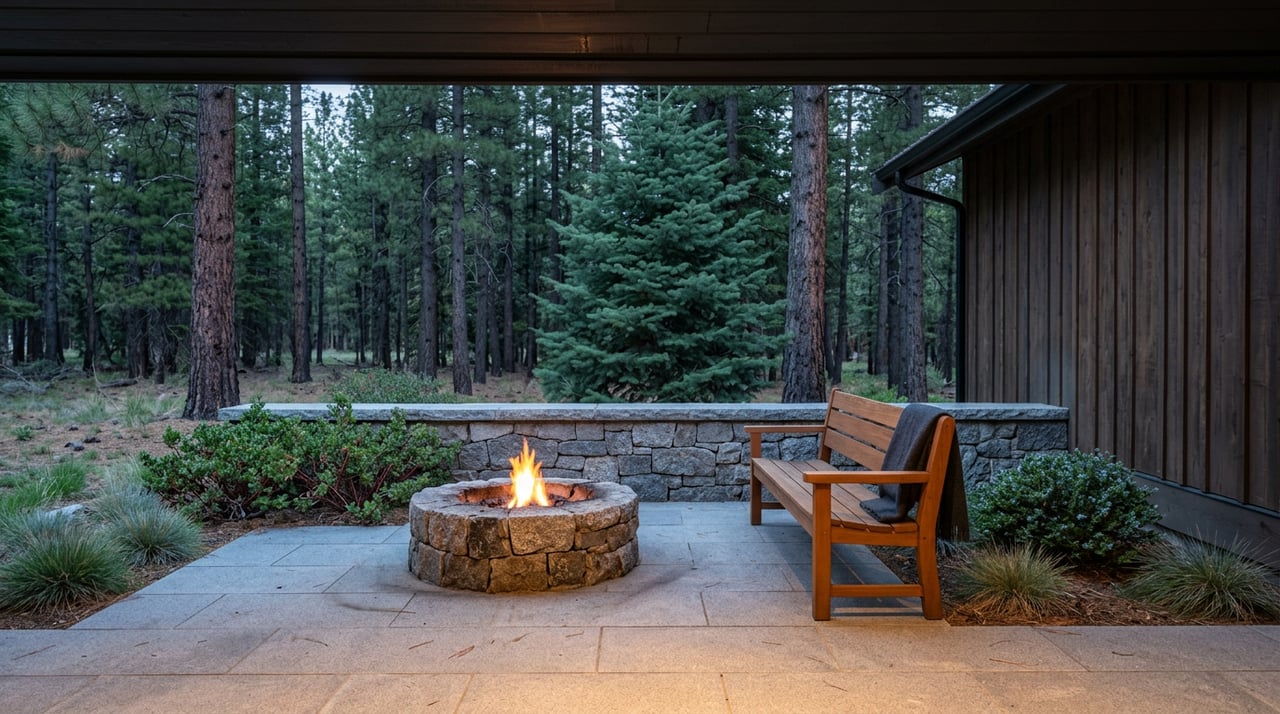
Outdoor areas are a major part of the North Shore lifestyle, and current buyer behavior shows continued interest in usable exterior spaces. Decks, patios, seating areas, and lake or forest-facing gathering spaces should be cleaned, simplified, and photographed with purpose.
The key is clarity. Buyers should be able to tell where they would sit, dine, store gear, or entertain. If your home has ski storage, a mudroom zone, a guest suite, or a work-from-home space, make each area visually obvious so buyers can understand its value right away.
Your media plan should support how buyers actually shop. Photos, detailed listing information, floor plans, and virtual tours remain highly useful to online buyers. That means your marketing materials should explain the home clearly, not just make it look attractive.
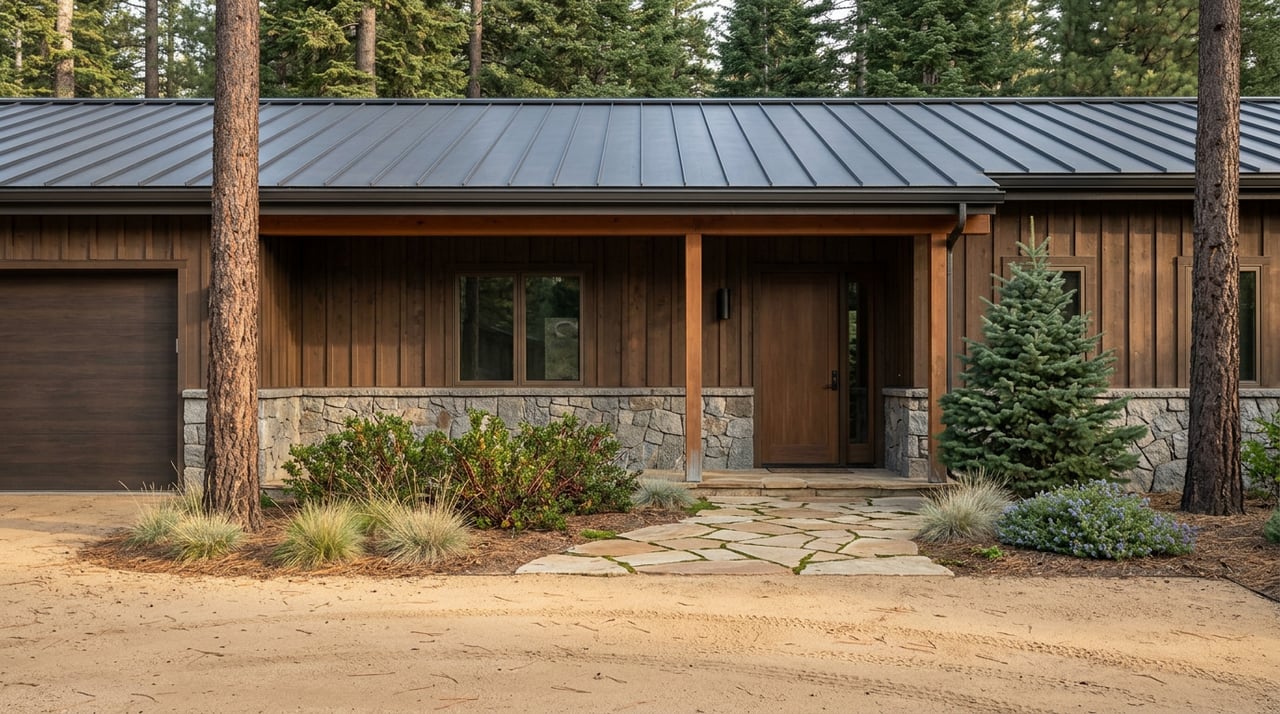
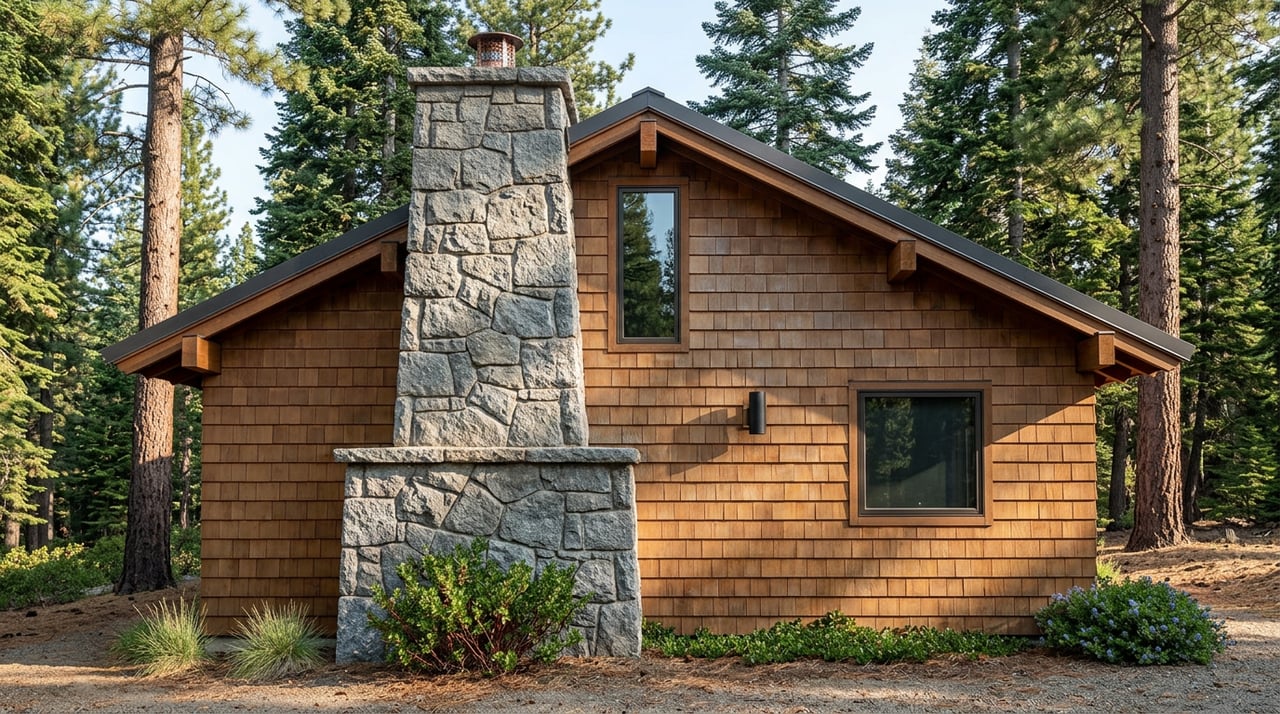
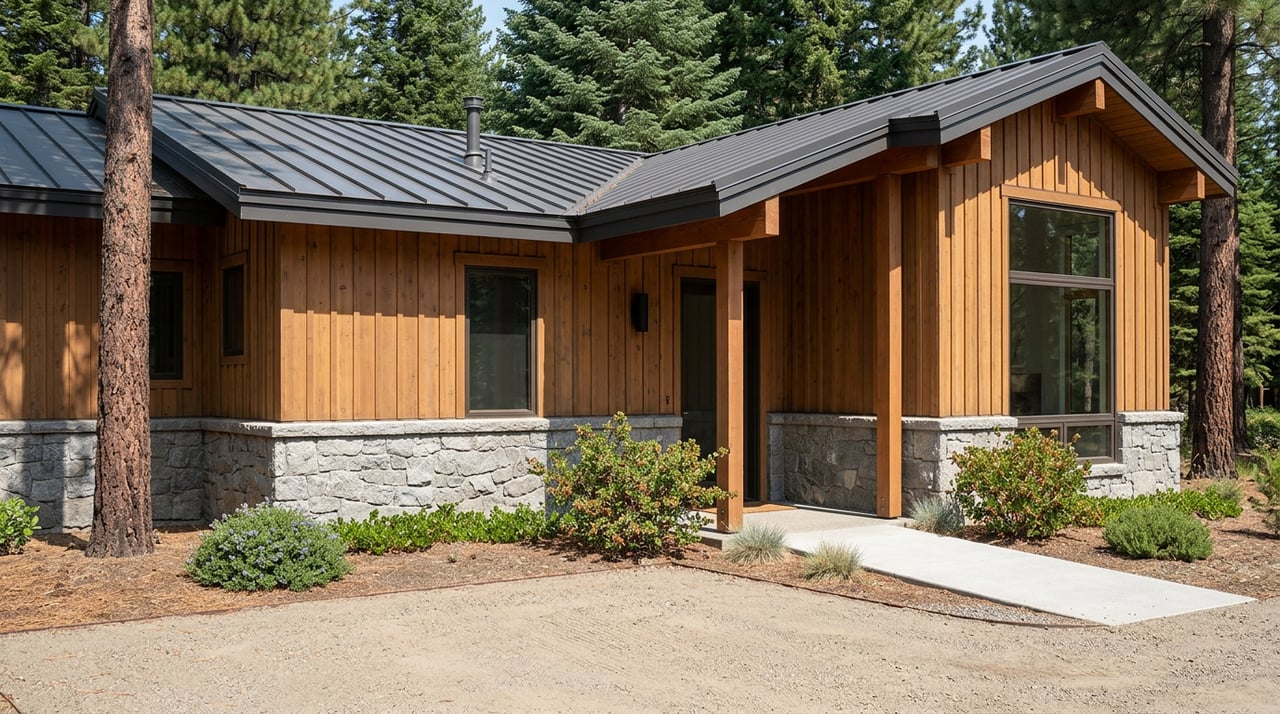
Photography should happen only after cleanup, repairs, and staging are complete. In many cases, the strongest lead image is the best exterior, view, or setting shot. From there, the rest of the photo set should help buyers understand the home’s layout, key living areas, flexible rooms, and outdoor spaces.
Sellers often ask whether they should repair an issue now or disclose it later. In general, visible issues that distract from the home’s condition or make photos look poorly maintained are worth addressing early. Small fixes can prevent buyers from assuming larger deferred maintenance problems.
Examples may include:
For other items, full and accurate disclosure may be the better path, especially if the issue is more complex or tied to past work, permits, or specialist review. The right approach often comes down to whether the item affects presentation, safety, or a buyer’s confidence during due diligence.
A well-prepared disclosure file can save time and reduce back-and-forth once buyers start asking questions. The California Department of Real Estate says the Real Estate Transfer Disclosure Statement is part of most one-to-four-unit residential resales and is delivered before title transfer. The Natural Hazards Disclosure process can also cover fire hazard zones, wildland areas, flood zones, earthquake fault zones, and seismic hazard zones.
Before listing, gather as much supporting documentation as you can so your responses are timely and accurate. Helpful records may include:
For lakefront owners, this step is especially important. If the property includes shoreline structures or prior exterior work near the lake, organized paperwork can help buyers evaluate the property with more confidence.
If you are not living in the home full time, pre-listing prep needs more structure. Remote ownership can make simple tasks feel harder, especially when multiple vendors, weather timing, and access issues all come into play. A clear plan helps you avoid delays and keeps the home market-ready from the start.
For absentee owners, it helps to:
This is where concierge-level coordination can make a real difference. When local oversight is strong, you can prepare your property thoroughly without needing to manage every detail from afar.
Preparing to list your North Shore Lake Tahoe home is about more than tidying up. It is about creating a strong first impression, reducing uncertainty, and presenting the property in a way that feels complete, credible, and easy for buyers to understand. When you combine exterior readiness, smart staging, quality media, and organized documentation, your home enters the market from a position of strength.
If you are planning a sale and want a calm, well-managed process from start to finish, Jeremy Jacobson offers local guidance, concierge-level coordination, and polished marketing tailored to North Shore Lake Tahoe properties.
Stay up to date on the latest real estate trends.
Etiam non quam lacus suspendisse faucibus interdum. Orci ac auctor augue mauris augue neque. Bibendum at varius vel pharetra. Viverra orci sagittis eu volutpat.