Buying a Condo in Olympic Valley: What to Know First
July 16, 2026
July 16, 2026
Thinking about buying a condo in Olympic Valley? It can be a smart way to enjoy four-season mountain access, but this is not a market where every condo works the same way. Your ownership experience can vary based on location, building type, HOA rules, rental structure, and county requirements. If you want to buy with confidence, it helps to understand how these pieces fit together before you write an offer. Let’s dive in.
Olympic Valley is a small Placer County resort community with a year-round population of about 591 people, but its overnight population can rise to roughly 6,500. County planning materials also note there are about 1,180 condominiums out of roughly 1,672 total residential units. That balance matters because condos are a major part of the local housing stock and are closely tied to the area’s visitor economy.
For you as a buyer, that means condo ownership here often sits at the intersection of personal use, seasonal demand, HOA governance, and resort activity. Some properties function more like true second homes, while others operate more like ski-lodging real estate. Understanding that distinction early can help you narrow your search.
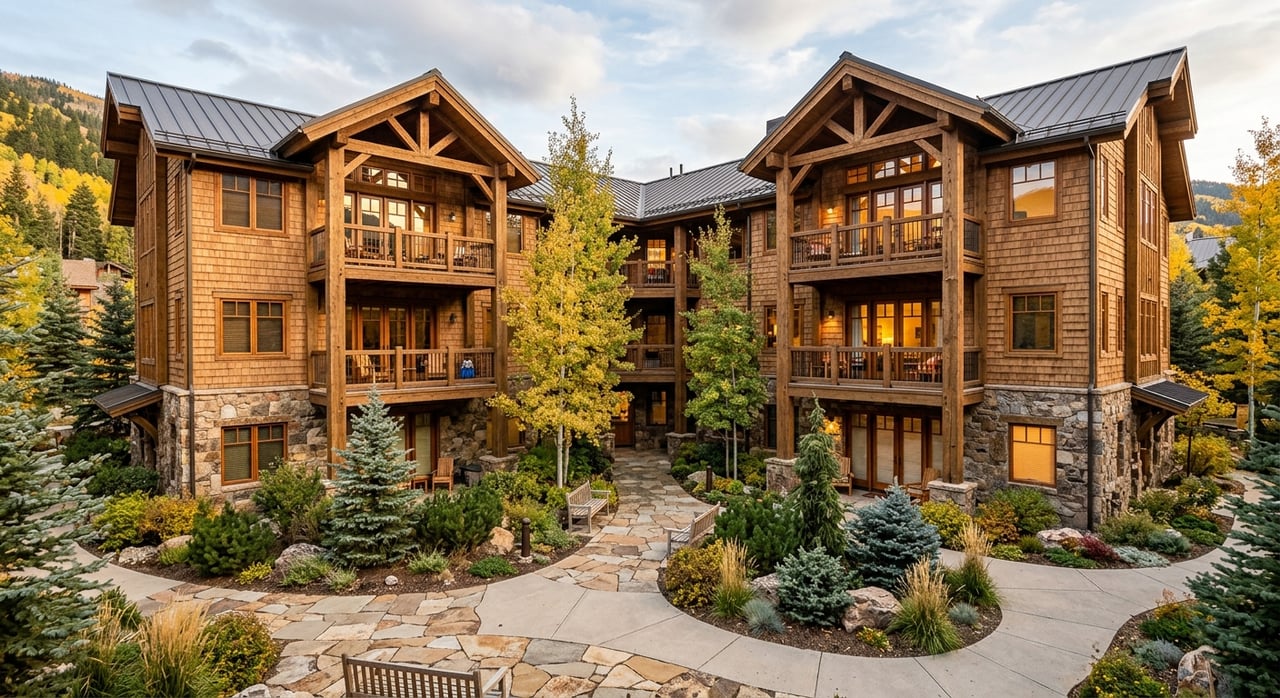
The Village at Palisades Tahoe is located at 1750 Village East Road and sits within an 85-acre resort district identified by Placer County. County materials describe that core area as a mix of hotel, condo-hotel, and fractional ownership uses. In simple terms, condos near the base area often come with a different ownership feel than units located farther down the valley.
The valley itself is not one-size-fits-all. County planning materials show the north side has older structures and narrower streets, while the south side includes more modern resort buildings and conference-oriented development. If you want a walkable, slopeside experience, the village core may stand out. If you want something that feels less like a resort hub, a condo farther down the valley may fit better.
Palisades Tahoe markets 3,600 skiable acres, 187 trails, and a winter season that typically runs from November through May. The resort also operates a summer season from June through mid-September, with hiking, biking, tram rides, climbing, yoga, and other activities. That long seasonal runway helps explain why condos here can appeal beyond winter alone.
For many buyers, lift proximity is a major value driver because it simplifies ski days and supports year-round use. A condo that works well in winter and still feels convenient in summer can have broader appeal for second-home ownership and guest use. While every property is different, access and convenience usually deserve a close look.
One important thing to know is that much of the village inventory is suite-based. Typical layouts include standard rooms, studios, one-bedroom suites, one-bedroom suites with a den, two-bedroom suites, and three-bedroom suites. Reported sizes range from about 250 square feet for a standard room to about 1,350 square feet for a three-bedroom suite.
That range can create very different ownership experiences. A smaller studio may work well for a simple ski base, while a larger multi-bedroom suite may better suit extended stays, shared ownership goals, or hosting family and guests. The right layout depends on how you plan to use the condo most often.
In the village core, amenities are a big part of the ownership story. Common unit features can include fireplaces, fully equipped kitchens, balconies, heated floors or heated slate tile, and in some three-bedroom units, private washers and dryers. Shared amenities may include outdoor hot tubs, a 24-hour front desk, fitness facilities, ski and sport lockers, laundry facilities, a game room, a billiards lounge, and heated underground parking for a first vehicle.
If you are comparing properties, think beyond square footage. In a resort setting, building services and shared amenities can shape convenience, guest experience, and day-to-day enjoyment just as much as the floorplan itself. A well-located condo with useful amenities may fit your goals better than a larger unit with fewer practical benefits.
A common assumption in mountain markets is that cooling is not a major issue. In Olympic Valley, that can be a mistake. The Village states that standard suites do not have central air conditioning, while premier and premier-plus units have air conditioning in each room, and many rooms also use portable AC units.
If you expect to spend time in the valley during July or August, ask specific questions about cooling in the exact unit you are considering. Two condos with similar layouts may perform differently in warmer months. Comfort is a practical part of value, especially for second-home owners who plan to use the property across seasons.
The Village states that all units are privately owned and that furnishings and configurations differ from one unit to the next. That means marketing categories only tell part of the story. A one-bedroom in one building may present very differently from another with the same basic label.
When you tour or review disclosures, focus on the actual unit. Look at condition, updates, orientation, noise exposure, furnishings, storage, and how the space lives in real use. In a resort condo market, unit-level differences can matter more than you might expect.
In California, buying a condo means becoming part of a common-interest development and joining the homeowners association. The California Department of Real Estate advises buyers to review HOA dues, special assessments, and location-specific costs before buying. That guidance is especially important in a mountain resort setting where building systems and shared components can be expensive to maintain.
You should review the governing documents, current dues, any special assessments, unpaid assessments or fines, and any rental or leasing restrictions. Board minutes can also offer useful insight if you request them. These materials can help you understand not just monthly costs, but also how the association operates and what future expenses may be taking shape.
California law requires a reserve-funding disclosure summary, and this document deserves careful attention. In resort buildings, future repair costs can be significant because roofs, elevators, parking structures, exterior siding, and balcony systems are shared components. A condo that looks turnkey today may still face meaningful building-wide costs later.
For that reason, reserve health matters. You want to know whether the association appears to be planning realistically for large capital needs or whether future owners may face higher assessments. This is one of the clearest ways to move from a surface-level showing to a more informed buying decision.
California Civil Code requires condominium associations to inspect a statistically significant sample of exterior elevated elements at least once every nine years. That includes areas such as balconies, decks, stairways, and walkways. In mountain communities, these components can be especially important because of weather exposure and long-term wear.
Before removing contingencies, ask for the most recent inspection history and any related repair plans. This step can help you understand whether major work has already been addressed or may still be ahead. It is a straightforward question that can reveal a lot about building condition and future cost exposure.
If rental income is part of your plan, county rules should be front and center in your due diligence. Placer County defines short-term rentals as residential units rented for 30 days or fewer. The county states that its current program includes a 3,900-unit short-term rental cap along with related operating requirements.
To operate legally, an owner needs a county short-term rental permit, a Transient Occupancy Tax certificate, a passing interior fire life safety inspection, a passing exterior defensible space inspection, and a local contact who is available 24/7 and lives within 35 driving miles of the unit. The county also states that operating or advertising without a permit is not allowed. If you are buying with rental use in mind, these rules are not side notes. They are central to the decision.
In Olympic Valley, project type can significantly affect rental use. Placer County’s condo-hotel pathway applies to properties rented to the general public for overnight lodging, owned in condominium or similar form, and managed 24/7 with at least a staffed front desk during business hours plus on-call management after hours. In approved condo-hotel properties, the county states that individual short-term rental permits are not required for each unit.
This is one of the most important distinctions to understand when comparing village-core options with more conventional condos elsewhere in the valley. Two properties may look similar on paper, yet have very different operational rules and rental frameworks. If your intended use includes guest occupancy or income planning, legal structure should be clarified early.
Mountain ownership also comes with fire-related compliance considerations. Placer County’s hazardous vegetation rules are designed to maintain defensible space around structures. The county also notes that exterior defensible space inspections in the Olympic Valley district are only performed when snow is clear from the ground.
That timing matters if you are buying seasonally or planning to rent. Fire compliance can affect the permitting process, ownership responsibilities, and coordination with HOA-managed landscaping or building access. In a mountain market, these are practical details that can influence both cost and timing.
County planning materials show that redevelopment, traffic management, and infrastructure improvements remain part of the Olympic Valley picture. If you are comparing condos for second-home use, future enjoyment, or rental flexibility, it is reasonable to ask how nearby resort operations may affect your property. Construction activity, parking changes, and operational shifts can shape the ownership experience.
That does not mean every project faces disruption. It simply means buyers should look beyond the unit walls. In a resort environment, the surrounding phase of development can matter almost as much as the condo itself.
When you buy a condo in Olympic Valley, your strongest position comes from matching your intended use to the project’s legal structure, amenities, and location. A great fit for weekend ski access may not be the best fit for summer stays, longer visits, or rental plans. The more clearly you define your goals, the easier it becomes to evaluate the right property.
A focused condo search often comes down to a few key questions:
Buying well in Olympic Valley is less about chasing a generic resort condo and more about understanding the details that shape ownership over time. If you want help comparing properties, reviewing condo-hotel versus conventional condo options, or narrowing the right fit for your goals, Jeremy Jacobson offers thoughtful, high-touch guidance rooted in deep Truckee-Tahoe market knowledge.
Stay up to date on the latest real estate trends.
Etiam non quam lacus suspendisse faucibus interdum. Orci ac auctor augue mauris augue neque. Bibendum at varius vel pharetra. Viverra orci sagittis eu volutpat.