How to Sell Your Ski Home in Olympic Valley
April 16, 2026
April 16, 2026
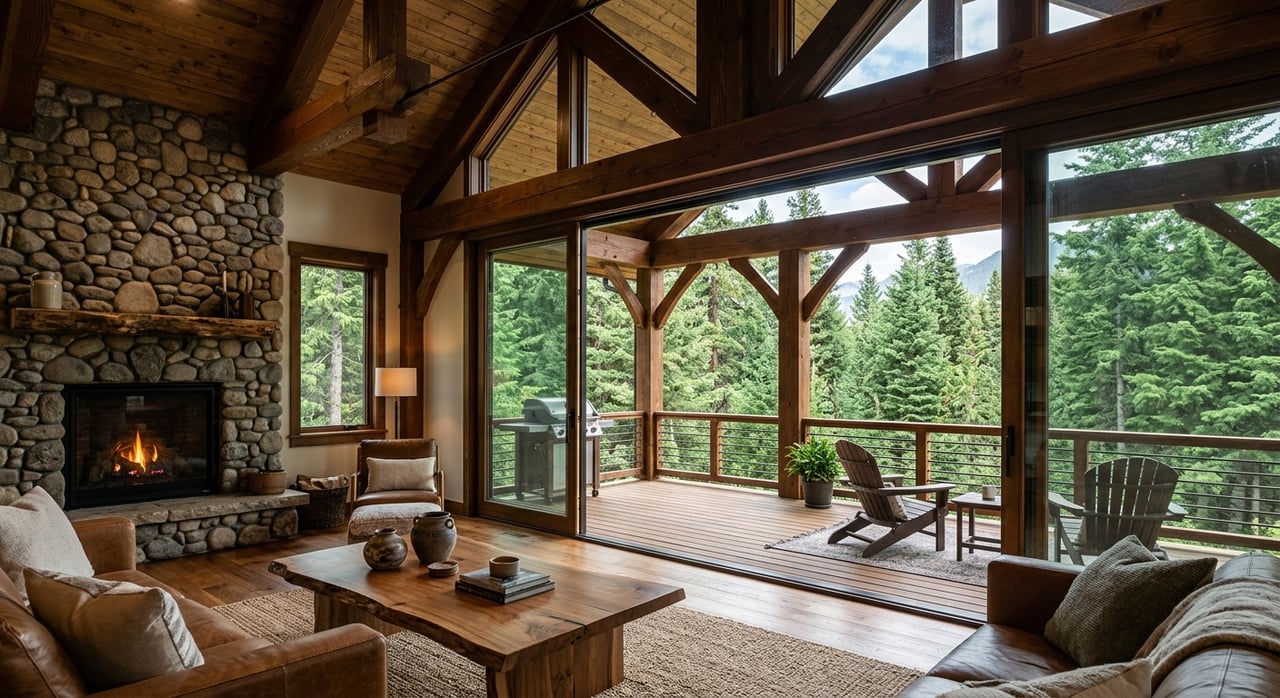
Thinking about selling your ski home in Olympic Valley? In a resort market, a successful sale is rarely about listing the property and waiting. Buyers here pay close attention to access, condition, convenience, and pricing, especially in a market where Olympic Valley is moving differently than the rest of Placer County. If you want to position your home well, protect value, and attract serious buyers, this step-by-step guide will help you plan your sale with more confidence. Let’s dive in.
Before you list, it helps to start with the local numbers, not broad county headlines. Realtor.com’s Olympic Valley market snapshot shows a median home price of $897,500, 72 active listings, a median of 89 days on market, and a 96% sale-to-list ratio. The site currently labels Olympic Valley a buyer’s market.
That matters because Placer County overall is showing very different conditions. Countywide data reflects a lower median listing price, faster time on market, and a higher sale-to-list ratio. For your ski home, the practical takeaway is simple: buyers in Olympic Valley are comparing your property against other resort homes, not against countywide averages.
There is also a premium-price layer to keep in mind. Olympic Valley has a median price per square foot of $939, which reinforces the value of location and ski-area appeal. At the same time, that premium means buyers tend to evaluate condition, layout, and amenities very carefully.
In Olympic Valley, buyers are not only evaluating how your home looks. They are also assessing how it lives through winter. A home that feels easy to manage in snow can stand out for the right reasons.
Before listing, it is smart to review the condition of the roof, gutters, drainage, decks, stairs, windows, heating systems, and exterior access. In a ski-area setting, these details affect buyer confidence quickly. If you have service records, repair invoices, or upgrade documentation, keep them organized so they can support your pricing and presentation.
This step is especially important for remote owners. If you do not live nearby full time, a pre-listing check of the home’s exterior systems and winter readiness can help prevent last-minute surprises once showings begin.
Not every pre-sale improvement makes financial sense. According to Realtor.com’s Placer County seller guidance, minor updates like paint, fixtures, and landscaping tend to pay off more reliably than major renovations.
For an Olympic Valley ski home, that often means prioritizing:
If your home has dated finishes, buyers may still respond well if the property feels well maintained, clean, and easy to use. Function and presentation usually matter more than an expensive remodel when buyers are weighing several resort options.
Ski-home buyers are often buying a lifestyle as much as a structure. The most compelling features are usually the ones that reduce friction on a winter weekend or extended holiday stay.
In Olympic Valley, buyers tend to notice details like ski storage, boot-drying areas, mudrooms, entry drop zones, manageable exterior surfaces, practical parking, and strong natural light or views. These are not just nice extras. They help a buyer imagine arriving in snow gear, unloading easily, and settling in without hassle.
Access also matters. Palisades Tahoe’s 2025 opening-day announcement notes that operations are subject to weather and conditions, and winter mobility in the valley is supported by services such as Mountaineer’s free on-demand winter microtransit. That makes it worth thinking through how your home handles arrival, parking, snow removal, and guest access during winter showings.
If your home offers practical ski-living features, make them easy to understand during marketing and tours. Buyers should be able to tell where gear goes, how parking works, and how the property functions during peak winter conditions.
Useful details to present clearly include:
These details help your home feel more usable and more valuable in a resort setting.
California sellers should not wait until the last minute to prepare disclosures. Early disclosure work can make your listing feel more organized and reduce delays once you receive interest.
The California Department of Real Estate’s consumer guide explains that residential sellers generally must provide the Real Estate Transfer Disclosure Statement, which is intended to disclose property condition rather than serve as a warranty. The same guide notes that Natural Hazards Disclosure may apply to areas involving flood risks, very high fire hazard severity zones, earthquake fault zones, seismic hazard zones, and wildland fire areas.
If your home was built before 1978, federal lead-based paint rules may also apply. Sellers are also expected to disclose known environmental hazards. In practice, preparing this package early can help you move from listing to contract with fewer avoidable issues.
If your Olympic Valley property has been used as a vacation rental, this deserves special attention before you go to market. Buyers may ask about the history of the property, but accuracy matters.
Placer County’s short-term rental program states that rentals of 30 days or fewer require a permit and a Transient Occupancy Tax certificate. The county also notes that renewal requirements include current fire life safety and defensible-space inspections, and in Olympic Valley, exterior defensible-space inspections can only be completed when snow is clear from the ground.
Before listing, gather documents such as:
If the home has rental history, avoid broad claims that could create confusion. Placer County’s STR fact sheet states that weddings, corporate functions, commercial functions, and similar events are prohibited at an STR unless a separate permit has been issued.
That means listing language should stay factual and specific. If your property is a condo, resort unit, or condo-hotel style property, it is also worth verifying its exact status before advertising rental potential, since some condo-hotel properties may be treated differently.
Photos and staging should tell the story of how the home works in every season. In Olympic Valley, buyers often want more than attractive rooms. They want to understand the property’s lifestyle value.
A strong visual package should show winter and non-winter appeal wherever possible. That may include exterior access, parking setup, mountain views, decks, natural light, and the spaces that support daily ski living. If the home has been remodeled, clean presentation and low-maintenance finishes should come through clearly.
For many ski homes, the most persuasive images are not always the biggest rooms. They are the images that answer practical buyer questions.
Prioritize photography that shows:
If your home shows especially well in snow, winter imagery can be a real asset. If access is easier and landscaping looks stronger in spring, that may shape your launch plan.
Pricing is one of the most important decisions you will make, and in Olympic Valley, local accuracy matters. Emotional pricing or broad county comparisons can work against you.
With 89 days on market and a 96% sale-to-list ratio in Olympic Valley, overpricing is more likely to lead to stale market time than to spark a bidding war. Buyers in this segment are often informed, selective, and ready to compare your home line by line with other available resort properties.
Your pricing strategy should reflect:
County data can offer context, but it should not drive your list price. In a resort market, the right number comes from the immediate competitive set.
Timing matters, but there is no one-size-fits-all answer in a ski market. National trends may point one way, while your home may benefit from a more tailored launch window.
Realtor.com’s 2026 Best Time to Sell guidance identifies April 13 to 19 as the strongest week nationally. Still, Olympic Valley sellers should weigh that against access, snow conditions, driveway visibility, and whether the home feels most compelling in peak ski season or in the clearer spring shoulder season.
A practical question to ask is this: when will your home show at its best while remaining easy for buyers to reach and evaluate? For some properties, snowy ambiance supports the sale. For others, dry access and fuller exterior visibility create a stronger first impression.
Selling a ski home in Olympic Valley takes more than basic listing prep. You are positioning a mountain property in a niche market where access, resort functionality, disclosure readiness, and precise pricing all shape the outcome.
If you want a smooth sale, the process works best when every detail supports the same goal: making it easy for buyers to understand the home’s value. That means preparing for winter realities, documenting what matters, marketing the lifestyle honestly, and launching with a strategy built around Olympic Valley itself.
If you are thinking about selling and want tailored guidance for your property, Jeremy Jacobson offers local market insight, concierge-level service, and the kind of strategic planning that helps ski-area homes stand out with the right buyers.
Stay up to date on the latest real estate trends.
Etiam non quam lacus suspendisse faucibus interdum. Orci ac auctor augue mauris augue neque. Bibendum at varius vel pharetra. Viverra orci sagittis eu volutpat.