Donner Summit Second Homes & Life at High Elevation
March 24, 2026
March 24, 2026
If your idea of a second home includes snow measured in feet, not inches, Donner Summit belongs on your short list. Perched above 7,200 feet, this corridor delivers true alpine living with lift-accessed skiing, groomed Nordic trails, and instant backcountry terrain. It also asks you to plan ahead for deep snow, intermittent road closures, and mountain utility realities. In this guide, you’ll learn what high elevation means day to day, how access works in big winters, where and how homes are built and serviced, what recreation looks like across four seasons, and how to prepare before you buy. Let’s dive in.
At Donner Summit, winter is not a backdrop. It is the main event. The Central Sierra Snow Laboratory on Donner Pass tracks one of the world’s longest snow records and reports roughly 30 to 34 feet of average seasonal snowfall at summit elevations, with wide year-to-year swings. Storm cycles can stack multiple feet in a single event, and record years push totals far beyond average. You can browse current science and context at the Central Sierra Snow Laboratory’s site for a sense of scale and variability: Central Sierra Snow Laboratory.
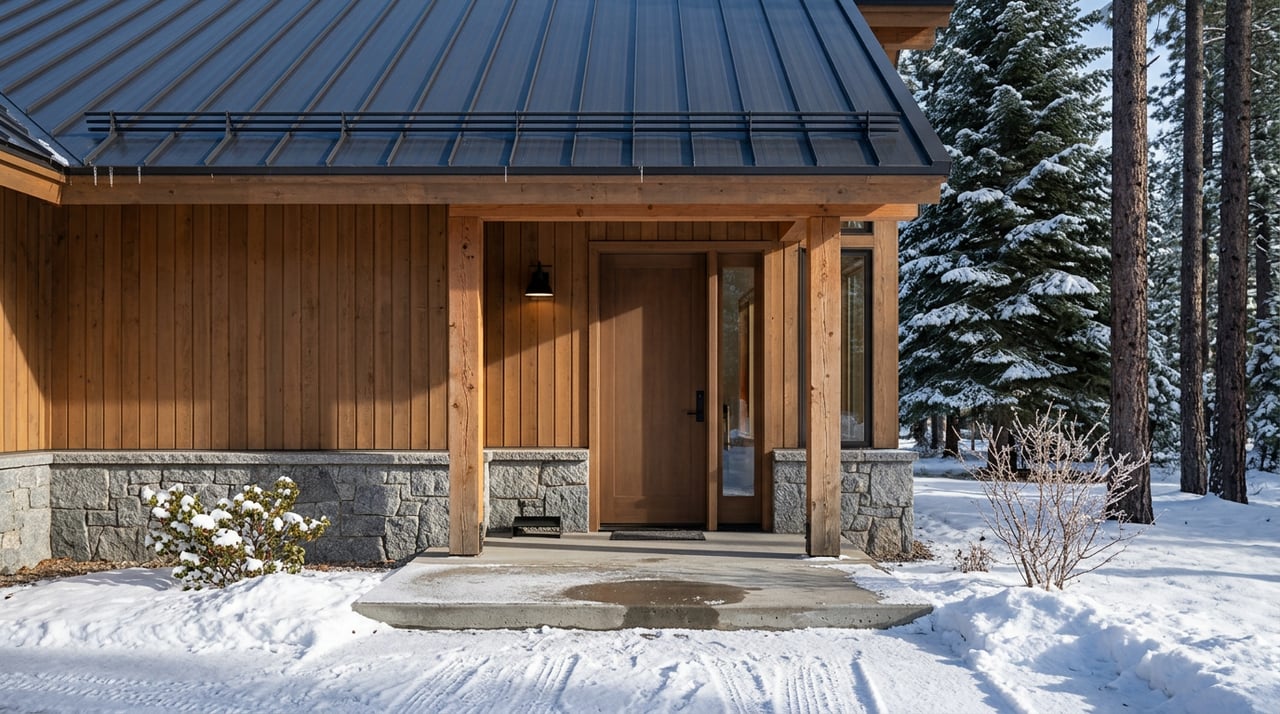
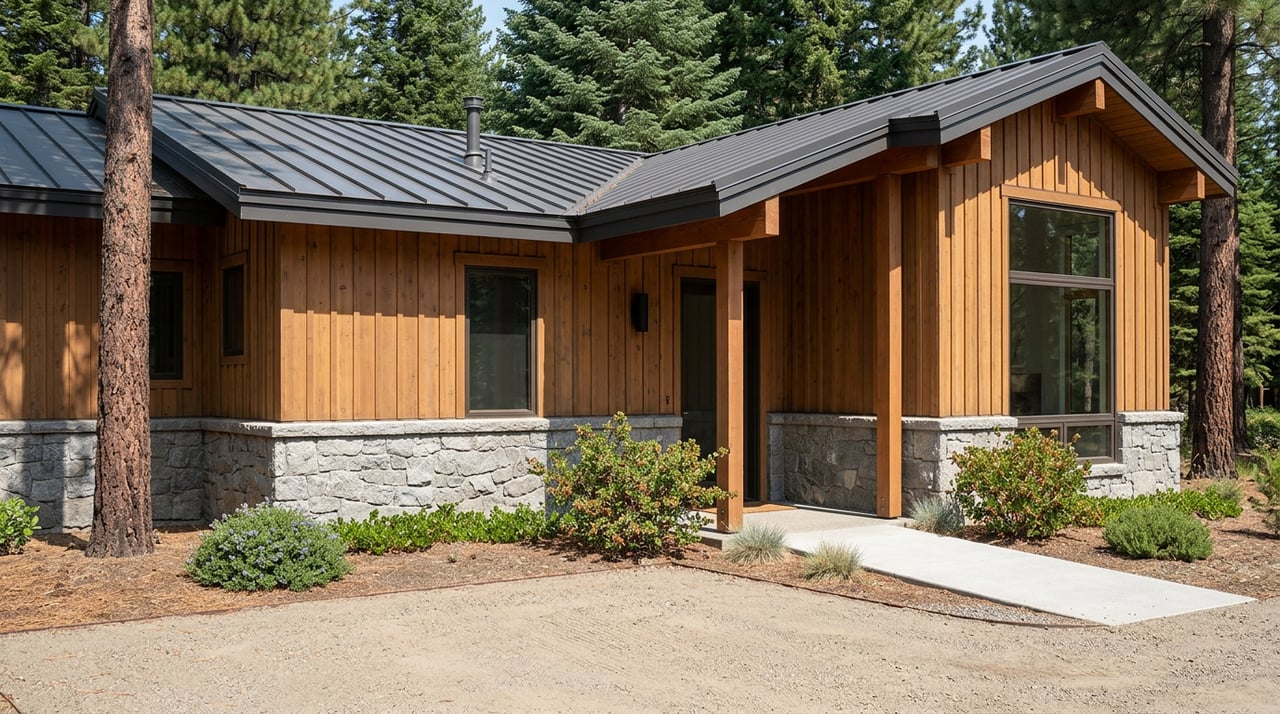
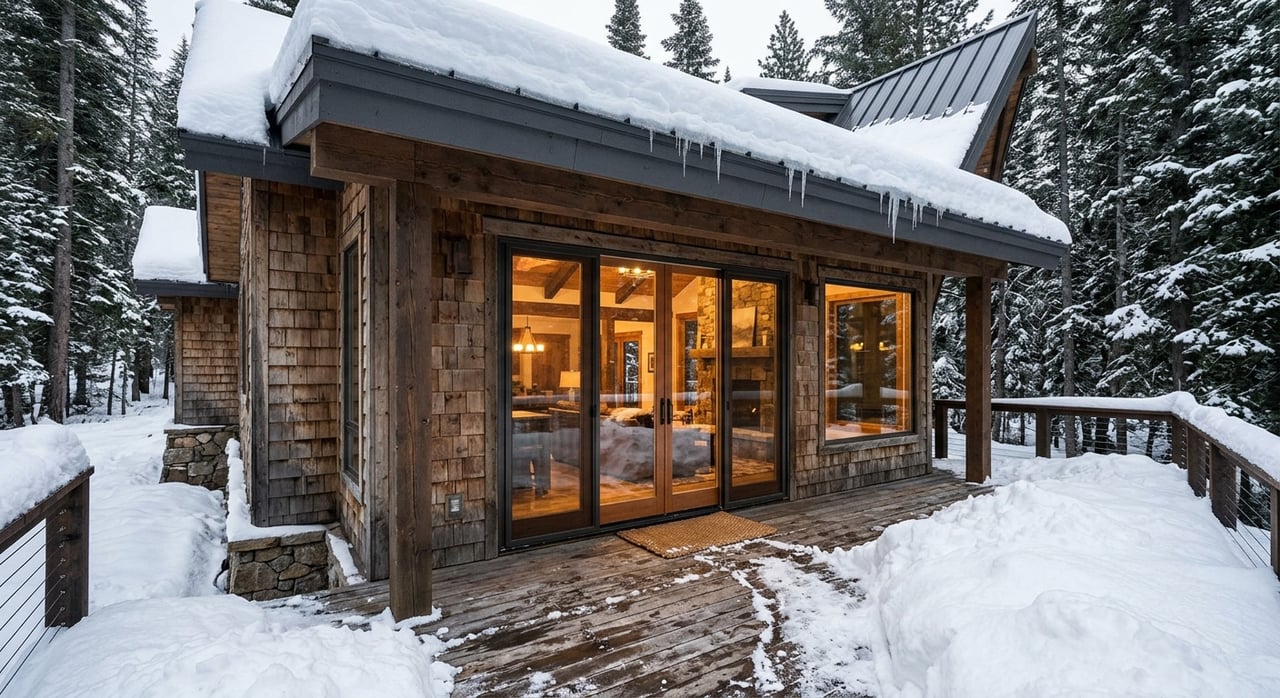
Day to day, that much snow changes your routines. You shovel paths from door to car. You plan where plow piles will go. You watch roof snow loads and ice formation, and some owners install heat tape or heated gutters. Many summit homes feature steep roof pitches, snow-shed detailing, and durable exterior materials. Placer County’s high-elevation building and grading rules also shape timelines and design, including seasonal restrictions on soil disturbance and structural guidance for snow conditions. Review the county’s guidance before you plan improvements or additions: Placer County Grading Permits.
Interstate 80 is the lifeline to the summit. During storms, Caltrans places chain controls and may close the freeway for hours, sometimes longer, for safety. Always build flexibility into travel plans, monitor road status, and carry proper traction. Local coverage offers useful context on how chain controls work and what to expect during active weather: chain-control and storm travel updates.
On local roads, winter parking is limited and snowbanks are high. Many trailheads and sledding areas shift to state-managed Sno-Parks that require permits, and popular lots fill early on weekends. Check rules and permit details here: California Sno-Park permits.
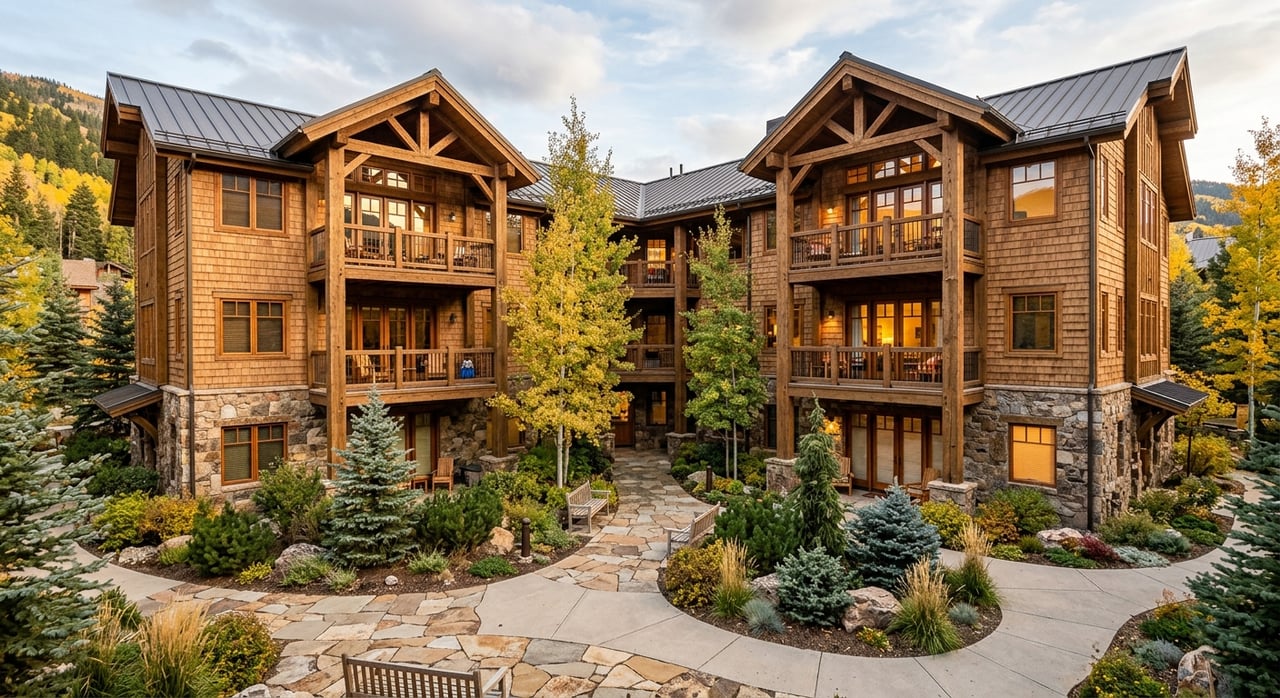
The Donner Summit area is a mosaic of small communities and resort-base pockets on the Placer County side. You will find ski-adjacent condo clusters near Sugar Bowl and Soda Springs, classic post‑war A-frames and chalets, and single-family homes in subdivisions such as Serene Lakes and Kingvale. Most neighborhoods feel quiet and dispersed compared with larger Tahoe resorts.
Utilities vary by subdivision. Some properties rely on private wells and septic. Others are served by the Donner Summit Public Utility District (DSPUD) for water and sewer. DSPUD is implementing sewer extensions that change long-term maintenance and service availability for certain areas. If a property is not currently connected, ask about timing, capacity, and hookup costs. You can review project context here: DSPUD sewer extension information.
Connectivity is another buyer-level check. Cellular coverage can be patchy and wired broadband is limited in places. Many owners blend wired service where available with satellite or fixed wireless. Use local resources to verify coverage by exact address before you commit: Truckee–Tahoe internet resources.
Winter is the headline season. The summit hosts multiple downhill resorts, including Sugar Bowl, Boreal, and Donner Ski Ranch, plus Royal Gorge’s extensive groomed cross‑country network. For many second-home owners, that means a short drive from the garage to first chair or fresh corduroy without dropping down to town.
Backcountry terrain is immediate and serious. Classic zones near Castle Peak and Mount Judah attract experienced tourers, and high snowfall increases both avalanche hazard and travel complexity. If you plan to ski tour, build your routine around daily advisories and rescue fundamentals. Start here for current conditions and education: Sierra Avalanche Center advisories.
Spring and summer deliver granite ridgelines, historic railroad grades for biking, and quick-access lakes and fishing. At the highest elevations, lingering snow can push trail openings into June, so the warm season is short and sweet. Explore regional trail and conservation maps here: Truckee Donner Land Trust on Donner Summit.
Fall is the quiet shoulder season. Trail access is excellent, crowds thin out, and many owners use the window to schedule maintenance, firewood delivery, and supply runs before the first big storm.
Mountain hazards are part of the package at high elevation. For backcountry users, avalanche risk is real and demands formal training, partner planning, and proper equipment. For homeowners, the bigger concerns are extreme snow loading, intermittent closures on I‑80, and winter access to driveways and roofs.
Wildfire is a regional reality in the wildland‑urban interface. Defensible space, ember‑resistant detailing, and vegetation management are key for insurance eligibility and peace of mind. Emergency response on the summit is led by Truckee Fire Protection District, which staffs stations that serve the Soda Springs and Donner Summit area. Learn more about coverage and locations here: Truckee Fire Protection District stations.
Donner Summit is a small, specialized market. For broad pricing context, buyers often look to Truckee’s regional metrics, then adjust for location, utility service, access, and property type. On the summit, pricing can vary widely between modest ski-area condos, classic cabins, and rare single-family homes with sewer, good access, and big views.
Plan a realistic operating budget. Line items typically include snow removal or a private plow service, roof maintenance and heat tape, utility fees, and seasonal travel costs. If you intend to rent short term, know that local rules form a patchwork by jurisdiction and sometimes by subdivision or resort. Permits, safety inspections, HOA covenants, and transient-occupancy tax registration may apply. Start your research with regional partners and rule overviews: Mountain Housing Council partners.
Use this quick list before you tour or write an offer on the Placer County side of Donner Summit:
Owning a second home on Donner Summit gives you instant access to serious snow, resorts at your doorstep, and a quiet alpine setting. It also asks you to think like a local: watch the weather, plan for deep snow, and verify utilities and access one parcel at a time. With clear expectations and the right property fit, life at high elevation can be both energizing and restorative.
If you are ready to explore Donner Summit second homes or want help pressure-testing a short list, reach out to Jeremy Jacobson for local guidance and white‑glove support.
Stay up to date on the latest real estate trends.
Etiam non quam lacus suspendisse faucibus interdum. Orci ac auctor augue mauris augue neque. Bibendum at varius vel pharetra. Viverra orci sagittis eu volutpat.