Experience the West Shore Lake Tahoe Lifestyle as an Owner
May 7, 2026
May 7, 2026
If you’re considering a home on West Shore Lake Tahoe, you’re probably not looking for a busy, built-up lake corridor. You’re looking for a place that feels close to the water, close to the trees, and connected to Tahoe’s outdoor rhythm in every season. Owning here comes with a distinct lifestyle, along with real rules and responsibilities, and understanding both can help you buy with confidence. Let’s dive in.
West Shore sits on the California side of Lake Tahoe and is shaped in large part by State Route 89, a two-lane mountain highway that connects residential areas and recreation access points. The corridor includes nearly 12 miles of undeveloped shoreline, which helps explain why this side of the lake often feels more spread out and less commercial than some other Tahoe areas.
For many buyers, that is the main draw. You are often trading walkable village convenience for a stronger sense of privacy, forest setting, and direct access to the lake, beaches, and trails. If your ideal Tahoe home centers on scenery and outdoor use, West Shore tends to stand out.
On West Shore, recreation is not just a weekend activity. It is part of what you own into. The area offers access to boating, hiking, downhill skiing and snowboarding, cross-country skiing, and snowshoeing, with nearby connections to places like Meeks Bay, the Rubicon Trail, Granite Chief Wilderness, Palisades Tahoe, and Alpine Meadows.
That means your day-to-day experience can shift easily with the season. In summer, you may be thinking about beaches, piers, and marina access. In winter, you may be using the same area for snow play, trail access, and ski days.
Several public access points help define the West Shore experience:
If you value being able to get onto the water or enjoy the shoreline without relying only on private frontage, that access matters. Even owners without direct lakefront property can enjoy a lifestyle that feels closely tied to the lake.
One of West Shore’s biggest strengths is how close trailheads are to residential pockets. The McKinney/Rubicon Trailhead sits about a mile west of Tahoma, and regional planning efforts continue to support more active transportation and trail connectivity in the area.
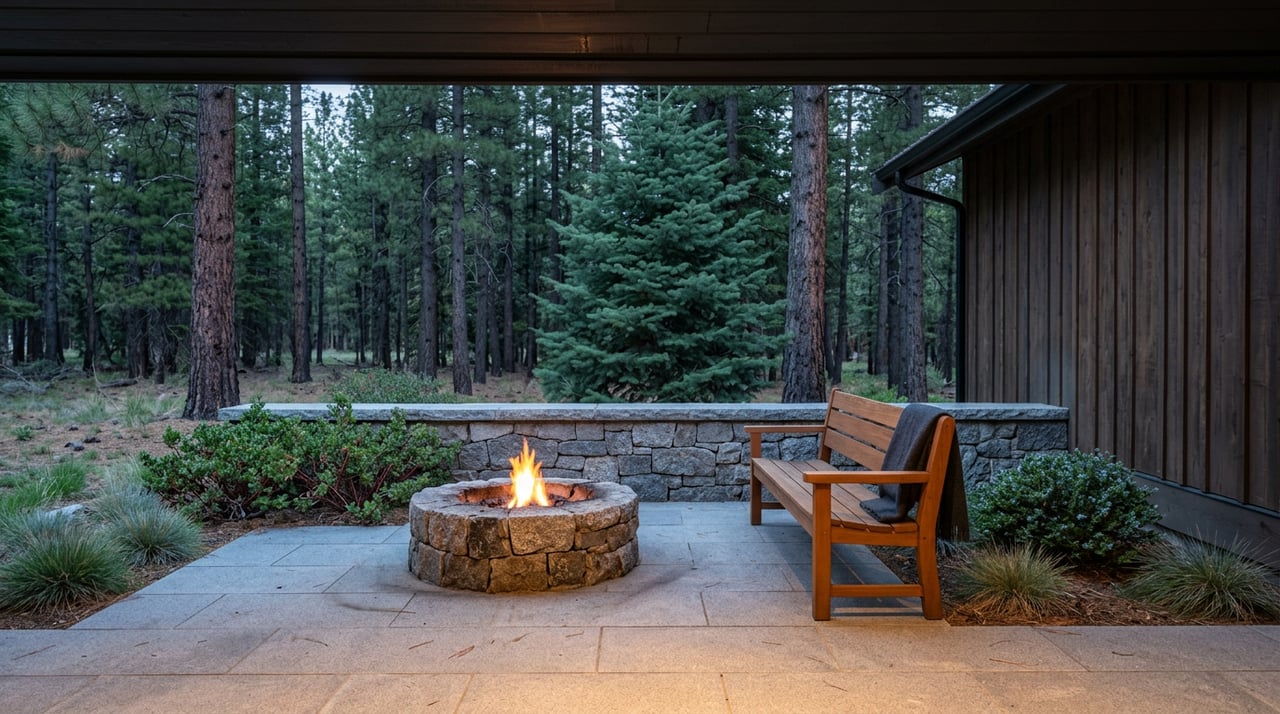
That kind of access can shape how you use your home. A property here may work less like a simple vacation house and more like a base camp for year-round hiking, walking, snowshoeing, and backcountry exploration.
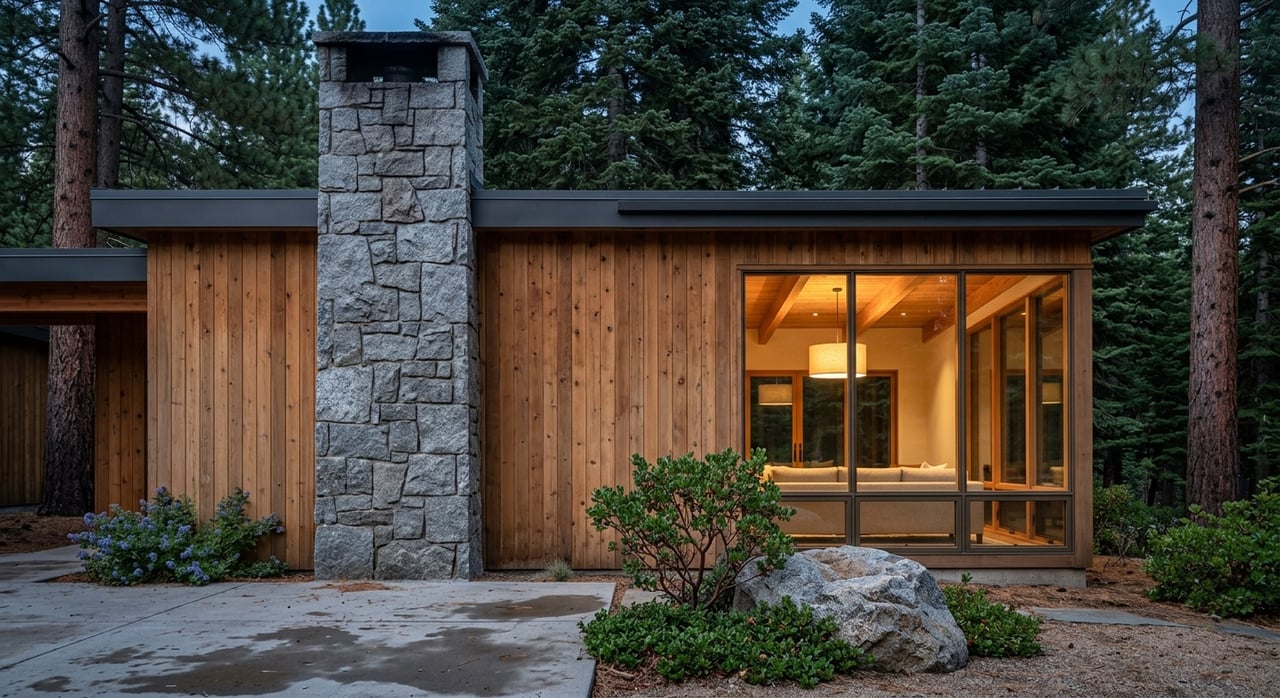
West Shore does not have one single housing style. Instead, the area includes a mix of older cabins and summer homes, remodeled lake houses, and newer custom properties. That variety is part of the character.
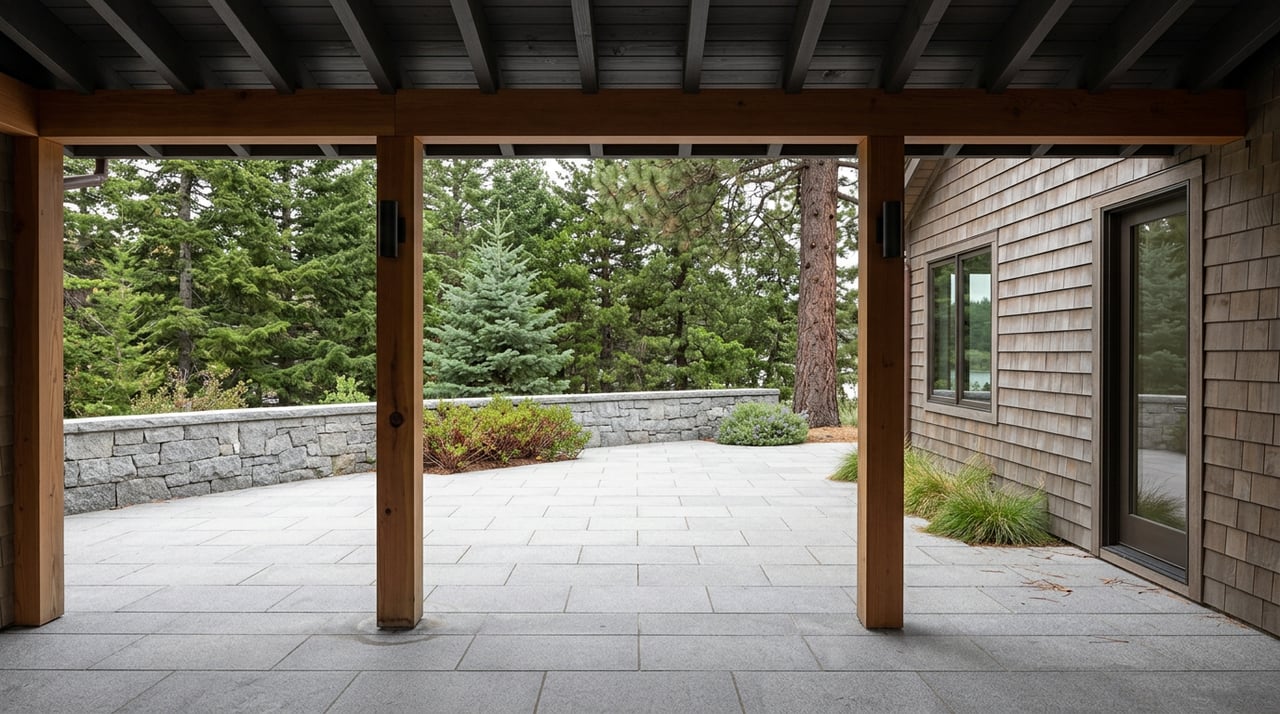
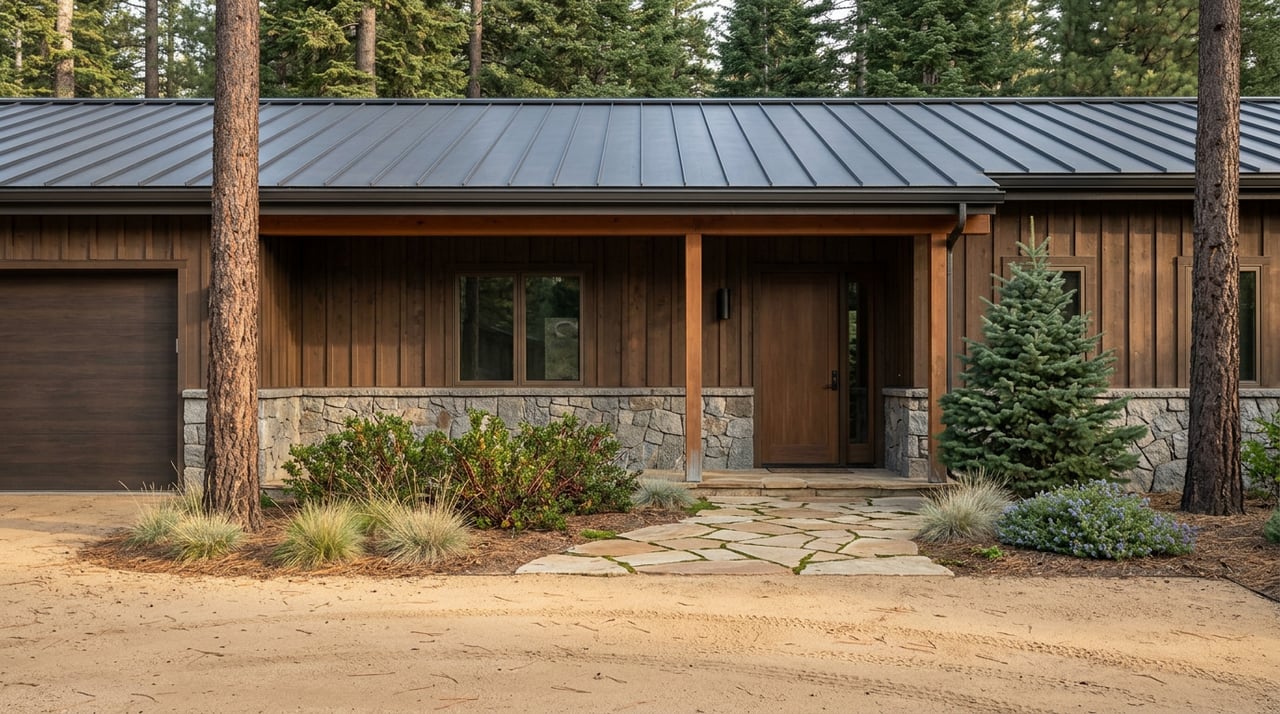
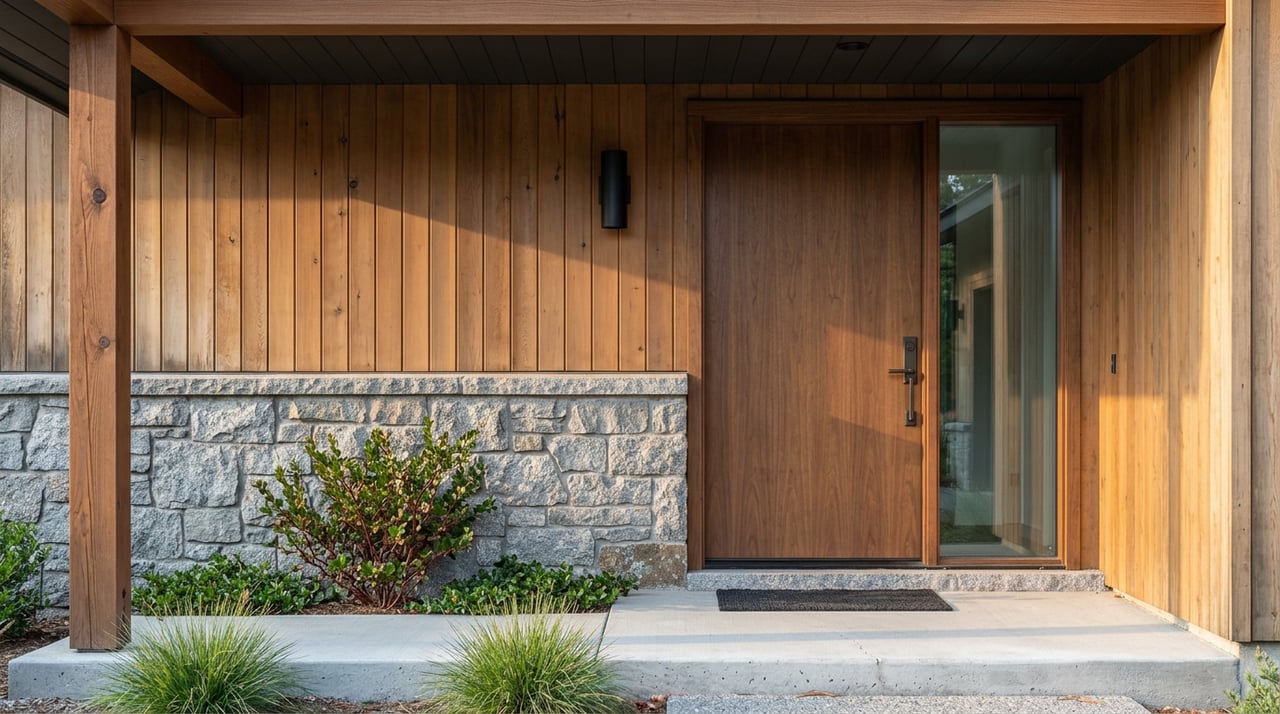
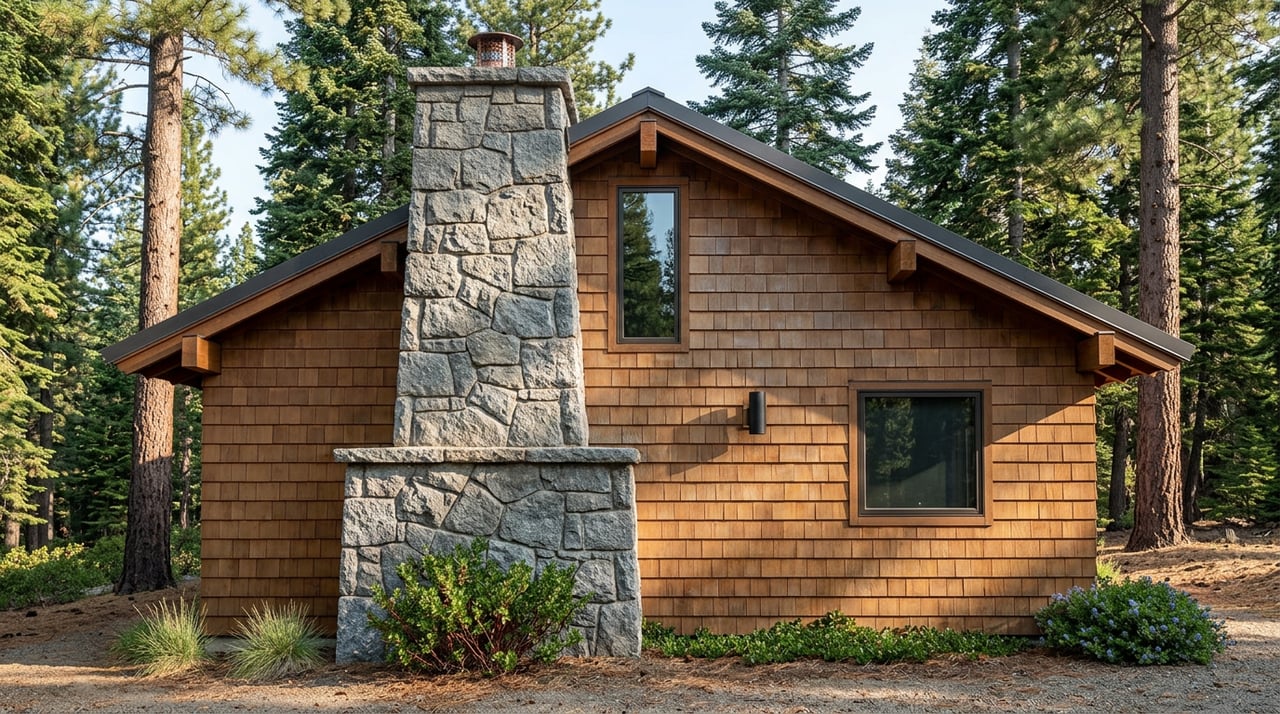
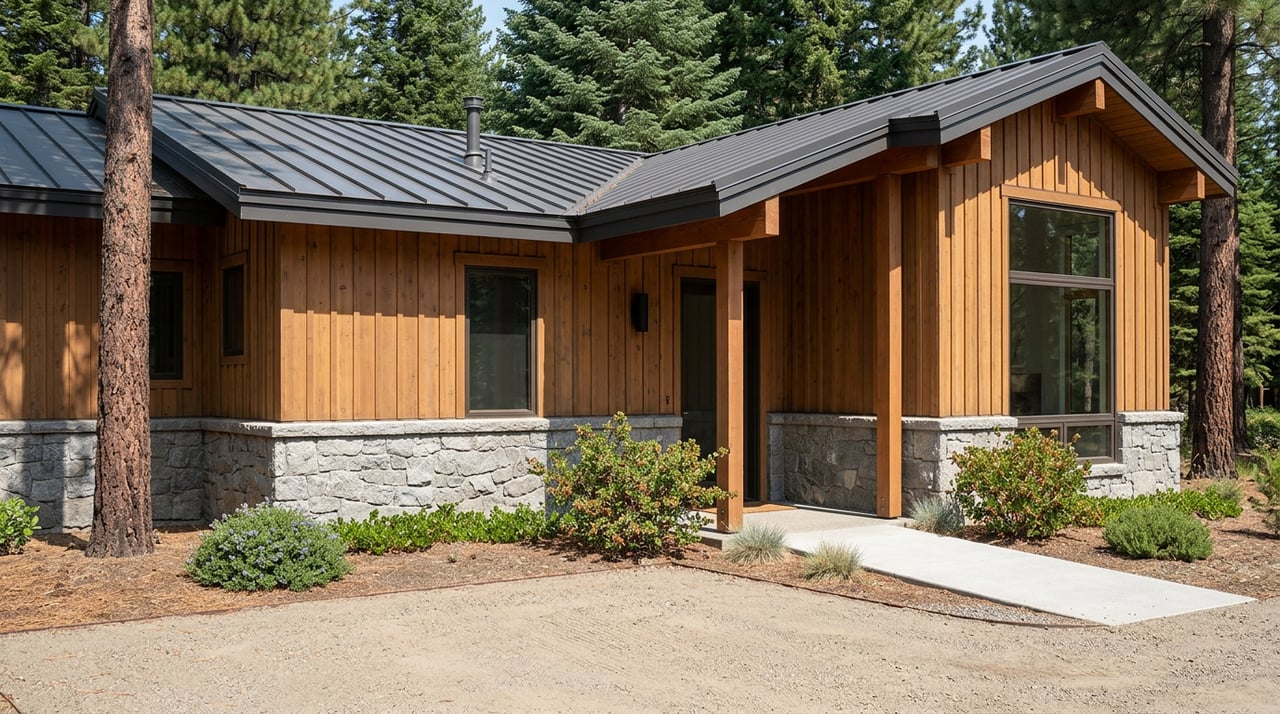
You will see architecture influenced by Tahoe’s historic resort-rustic tradition, including logs, local stone, broad overhangs, porches, and steep roofs. You may also find legacy homes with early 20th-century design details, along with modern rebuilds that aim to capture views, light, and indoor-outdoor living.
For buyers, this mix creates both opportunity and complexity. Some homes offer classic Tahoe character and a strong sense of place. Others offer newer construction, updated systems, and a more tailored luxury experience.
In practical terms, that means comparing homes on more than finishes or square footage. On West Shore, setting, view orientation, forest relationship, and proximity to shoreline or trail access often matter just as much.
This is one of the most important things to understand before you buy. West Shore ownership, especially near the lake, is shaped by environmental, scenic, and shoreline regulations. Those rules are a central part of ownership here, not a side issue.
The Tahoe Regional Planning Agency, or TRPA, treats scenic protection and land coverage as major concerns. Projects visible from the shoreline, roadway corridors, recreation areas, or bike trails may need additional review or mitigation. Even changes that seem small, like added coverage, grading, or driveway work, can matter.
If you are buying a home with plans to remodel, expand, or rework the site, expect more moving parts than you might on a typical suburban property. Many projects require both TRPA environmental review and a separate county or city building permit.
That is especially true if your plans affect:
For buyers who want to personalize a property, this does not mean “don’t do it.” It means you should go in with a clear understanding that timelines, feasibility, and permitting matter.
Owning near the water can sound simple on paper, but Lake Tahoe shoreline use is tightly regulated. TRPA’s Shoreline Plan caps new piers and moorings, requires existing moorings to be registered and permitted, and uses allocation systems for new shoreline structures.
That framework reflects the public-trust status of the lakebed. In other words, the area beyond your shoreline is not treated like private backyard space, even if you own lakefront property.
If you are considering a lakefront home, you should think beyond just frontage length. Questions about pier rights, existing permits, moorings, scenic review, and shoreline conditions can all be part of the ownership picture.
That is one reason local guidance matters so much in this market. A lakefront purchase on West Shore often involves more due diligence than a buyer expects at first glance.
For many owners, boating is a major reason to buy on West Shore. But boating on Tahoe is managed carefully. TRPA enforces a 600-foot no-wake zone around the shoreline, and all motorized watercraft must be inspected to help reduce aquatic invasive species risk.
In 2025, TRPA also strengthened that program with mandatory decontaminations for visiting motorized boats. So while access to the lake is a major lifestyle asset, it comes with a structured compliance process.
For second-home owners, especially those bringing boats from outside the basin, this is worth planning for in advance. It is part of using the lake responsibly and legally.
West Shore is a year-round ownership market, but the experience changes with the calendar. Sugar Pine Point supports year-round use, including walking, picnicking, beach access, snowshoeing, and skiing in winter. D.L. Bliss, by contrast, operates seasonally and has winter vehicular closure with reduced off-season services.
That seasonal pattern affects how you live here. Summer may feel centered on shoreline access and boating, while winter leans into snow recreation, quieter roads, and a different pace around the lake.
Because SR 89 is the main access route for both neighborhoods and recreation destinations, peak-season traffic can be a real factor. Regional planning efforts have focused on reducing congestion while preserving access and visitor experience, which highlights how important this issue is on West Shore.
For many owners, the trade-off is still worth it. You get a setting defined more by natural shoreline, trailheads, and recreation access than by a dense commercial strip. But you should understand that busy weekends and peak travel windows are part of the ownership reality.
West Shore ownership also means owning in a forested environment where resilience work is part of the bigger picture. The Lake Tahoe West Restoration Partnership is working across 60,000 acres of west-shore landscape to improve resilience to drought, climate change, and extreme fire.
That work reflects a broader truth about the area. Stewardship is part of ownership here, whether you live in the home full time or use it seasonally.
Infrastructure is evolving too. In 2025, California’s Water Board announced a new West Lake Tahoe Regional Water Treatment Plant that provides year-round drinking water and fire protection for up to 1,900 residents served by four district systems.
West Shore tends to appeal to buyers who want a more nature-forward Tahoe experience. If you picture your home life around lake access, trailheads, forest scenery, and seasonal recreation, this area has a lot to offer.
It can be especially compelling if you value privacy, legacy appeal, and a home that feels tied to the landscape. At the same time, it is best suited to buyers who are comfortable with a more regulated ownership environment and who understand that access, improvements, and shoreline use often require careful planning.
If you are buying a second home, luxury retreat, or legacy lake property, West Shore can offer a rare mix of natural setting and year-round use. The key is knowing exactly what comes with that opportunity before you close.
When you want local guidance that matches the complexity of the market, working with an advisor who understands Tahoe’s shoreline, recreation-driven neighborhoods, and second-home ownership realities can make all the difference. To explore West Shore opportunities with a trusted local perspective, connect with Jeremy Jacobson.
Stay up to date on the latest real estate trends.
Etiam non quam lacus suspendisse faucibus interdum. Orci ac auctor augue mauris augue neque. Bibendum at varius vel pharetra. Viverra orci sagittis eu volutpat.